
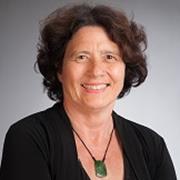
 The NCWNZ Safety, Health and Wellbeing Action Hub met on 28 May with guest speaker Professor Bev Lawton ONZM, nō Ngāti Porou, who is the founder/director of Te Tātai Hauora o Hine (the National Centre for Women’s Health Research Aotearoa) at Victoria University of Wellington She presented on "What's needed for women's health in Aotearoa NZ?"
Prof. Lawton discussed the importance of targeted health initiatives, the impact of self-testing for cervical cancer, and the broader challenges and opportunities in women's health advocacy. Prof. Lawton discussed the issues, challenges, and support needed for women's health, emphasizing the importance of implementing a cervical cancer elimination strategy. It's vital to have a screening programme, and as a scientist, it's exciting to think we can eradicate this devastating cancer, which affects women at an average age of 41, the virus can cause anal cancer, which is not widely discussed. Cervical cancer elimination is achievable if they listen to the science. WHO called for a strategy 9-10 years ago, and many countries have it. We can tweak and adopt the Australian model. Treating HPV effectively is crucial, and the evidence supports this approach.
Prof. Lawton stressed on the importance of advocacy; self-testing has emerged after years of advocacy, empowering women. Most women agree they want it. If it were about prostate cancer, how long would that have taken? She mentioned the need to build momentum to support the elimination plan for cervical cancer, which we currently don't have. With the roll out of the self-testing the evidence is strong showing that more than 80% of women are self-testing, and the uptake is progressing well. No other countries have done this, and not all have a self-testing programme. She stated that, “Our vaccination rate is low, the uptake of vaccination has not been as successful, therefore we also need to focus on vaccination.”
In relation to the success and uptake of the self-testing, Prof. Lawton pointed that there are challenges, such as having a trusted provider and engaging the community. She gave examples of how the self-testing being non-invasive was appreciated by women, communities, so much so that nurses got carried away, flipping the narrative, from invasive to empowering. Young people didn't want to participate, in the screening processes, but with self-testing, the screening was not invasive, and the community loved it, promoting it on social media. Communities need their own champions, who may be men or women, who can suggest ways to get it accepted. Women generally adopt what's good for them.
When discussing the women's health strategy, there was scepticism about where it fits within the broader strategy. The recent budget has overlooked crucial areas such as age care, housing for aging people, women's health issues, and care services. Significant gaps remain, particularly concerning the needs of aging women. The budget didn't allocate much for women and older women. For older women's health, it's essential to ask older women about their priorities, focusing on quality of life, including brain health, hearing, sight, mobility, housing, and heating. Older women with disabilities live longer than men. Every so often we hear that ‘Women anyway live longer than men… (implying that then there is not a need to focus on it)’, so we discuss it from a strength perspective. So, you try to cross the barrier and focus on solutions.
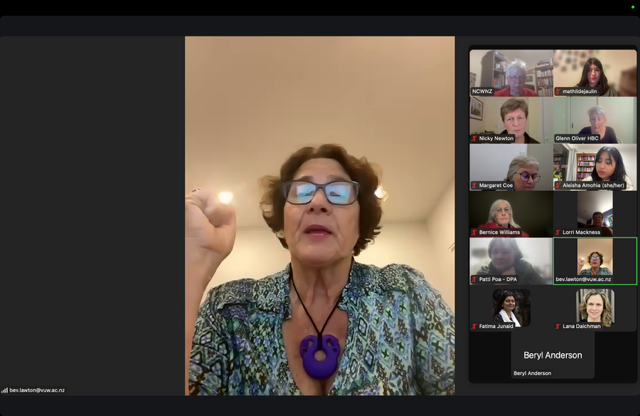 From a public health perspective, she pointed out that getting the evidence is important: “We try to get evidence and that then helps in making policy.” Maternity and child health, STDs, and child health should be paired with public health. Accountability and targets are essential, with KPIs set and investments made accordingly. For instance, maternal and child health investments should happen independently of the government. Babies are born with syphilis, and uterine cancer is rising -- we can stop these, but we need to prioritise these initiatives. Additionally, removing sexual health education, consent, and safe boundaries will impact health and other related outcomes.
When asked about how far disability is featured in research, Prof Lawton mentioned that they have qualitative research, such as nurses assisting with self-testing for people with disabilities, and obese women, but more can be done. For instance, her team doesn’t have a researcher focusing on the disability community; and she acknowledged if it's hard for women, it's harder for disabled women, and that more needs to be done.
Advocacy from women's groups is highly valued, especially on the cervical cancer strategy, and more broadly for aging women, women health and disabilities. She concluded that initiatives such as self-testing empower women, addressing the unique needs of older women, and ensuring inclusive research and advocacy are crucial steps forward. By listening to the voices of women and leveraging scientific evidence, we can make meaningful strides in women's health and well-being.
To read more articles from The Circular (May-June 2025) issue 652, click on the tag below.