
This is the fourth of a series of articles focusing on the NCWNZ Past Presidents Oral History Project with interviews by Carol Dawber in 2016. See the introductory article in The Circular at "NCWNZ Past Presidents oral history interviews from 2016" (August 2024).
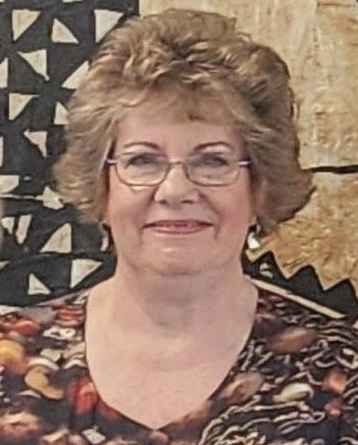 This month, we honour Christine Low, who served as NCWNZ President from 2004 to 2008. Christine led with warmth, wisdom, and a strong work ethic—balancing a full-time career while championing pay equity, practical advocacy, and international engagement. Her quiet yet purposeful leadership helped the organisation navigate a fast-changing world, with a lasting emphasis on enabling others to lead.
Born in Christchurch, Christine grew up in the 1960s in a household where service and education were valued. Her father, Peter, spent nearly 40 years working in printing, while her mother, Janet, was a teacher. Christine attended Sacred Heart Girls’ College, where she was influenced by strong female teachers—many of whom had been missionaries or had lived through war. These early role models taught her that women could aim high. Outside of school, she was active in her parish and local community; and took early leadership roles in youth groups and alumnae organisations. Her strong Catholic faith remained a guiding force throughout her life, shaping her values and approach to service.
After finishing a secretarial course at Christchurch Polytech, Christine entered the workforce through Canterbury Customs Agency. She remained there, through its transition to Anglo Pacific; for 35 years. Eventually becoming office manager and handling customs documentation, personnel support, and workflow management. Christine was known for her reliability, diplomacy, and sense of humour. She mentored younger staff and was a trusted point of contact between senior management and frontline teams. Despite being one of the few women in a senior role for many years, she earned deep respect across the organisation. In a mostly male environment, she navigated hierarchy, shifting technologies, and workplace change with resilience and professionalism.
Christine first encountered NCWNZ through the Sacred Heart Past Pupils’ Association and became a delegate at just 21. She recalled her awe watching experienced members speak up at meetings. Over time, she became a branch president and rose through national roles. Her election as President in 2004 marked a first; she held the position while working full-time outside of Wellington, showing that women with careers could still take on leadership roles in voluntary organisations.
As President, Christine helped raise NCWNZ’s national profile, embracing a more visible and media-savvy approach to advocacy. She actively gave interviews and wrote public commentaries on issues such as gender equity, childcare access, and violence against women. One of her proudest moments was securing funding to reinstate Plunket Line after it had been cut, describing the campaign as a "turning point in how NCW was seen as a voice of families." She also represented New Zealand at international conferences, including sessions in Morocco on violence against women and Ukraine on women's roles in governance. In Indonesia, she attended a forum focused on human trafficking in the Asia-Pacific, noting, "It wasn't just a learning moment—it was a moment to bring our experiences into the global space."
Christine also prioritised deeper collaboration with organisations across sectors, working closely with UNIFEM, the YWCA, the Prostitutes’ Collective, and Grey Power. She said, "If we're going to talk about real equity, we need everyone at the table—those who are seen and those who are not." She worked on submissions addressing climate refugees, trafficking, and pay equity.
Her leadership was shaped by teamwork, inclusion, and a belief in developing others. Christine was a passionate mentor who made time for emerging leaders at all levels of the organisation. She served on several NCWNZ committees before her presidency, including finance, membership, and education, and played a critical role in building up the Christchurch branch after a period of declining participation. During her national term, she helped modernise internal communication systems, supported regional forums, and introduced clearer pathways for younger women to participate in governance. "You can’t just tell women to step up," she said. "You have to make sure there’s space for them to be heard, supported, and taken seriously."
Christine was also instrumental in developing and supporting NCWNZ’s involvement with CEDAW (the UN Convention on the Elimination of All Forms of Discrimination Against Women). She contributed to New Zealand's alternate reports and helped ensure the voices of local communities were reflected in global human rights dialogues. Her ability to combine global awareness with practical advocacy at home made her a valued leader within both NCWNZ and wider civic circles. "I always held myself up as an example of what could happen with the supportive environment that was at NCW," she said. "If somebody wanted to take on a role, they would be supported and come through."
Christine led NCWNZ’s efforts on major advocacy campaigns - including Section 59 reform (the anti-smacking bill), the reinstatement of Plunket Line funding, and support for caregivers and grandparents raising grandchildren. She wasn’t afraid to speak out about uncomfortable truths. "We still haven’t got equal pay," she said. "But people think we’ve got legislation, so we don’t need to do anything."
She also acknowledged the challenges of keeping NCWNZ relevant in an age of shifting engagement and volunteer burnout. She recognised that many women faced time poverty due to paid work, caregiving, and family responsibilities. "Volunteering looks different now," she reflected. "But the heart of it - the desire to change things for the better - is still there." Christine championed shorter, more flexible volunteering roles, hybrid meetings, and regional input into national policy decisions. She was determined that NCWNZ remain a place where women from all walks of life could contribute meaningfully, even if they couldn’t always be in the room. She encouraged new ways of connecting, more space for young voices, and ongoing commitment to cross-sector collaboration.
Christine Low’s presidency reminds us that effective leadership often speaks in steady actions rather than grand gestures. Her grounded approach, quiet confidence, and focus on empowering others left a lasting imprint on the organisation and continue to offer a model of purposeful and inclusive advocacy.
~~~~~ ~~~~~ ~~~~~~ ~~~~~~
See also previous articles in this series:
- NCWNZ Past President Barbara Glenie QSO (23 February 2025).
- NCWNZ Past President Janet Hesketh QSM, CNZM (24 September 2024).
- NCWNZ Past President Beryl Jean Anderson ONZM (8 April 2025).
To read more articles from The Circular (May-June 2025) issue 652, click on the tag below.