
 |
|
July-August 2025, Issue 653 | Action Hubs | News | GenderEqual NZ | |
Table of Contents
Carin's kōrero from Sweden
Kia ora och hej from Sweden,
I have spent some time with family and friends here over summer, and rather cunningly I might add, avoiding the worst of winter at the same time. I also took the opportunity to meet with Sveriges Kvinnoorganisationer.
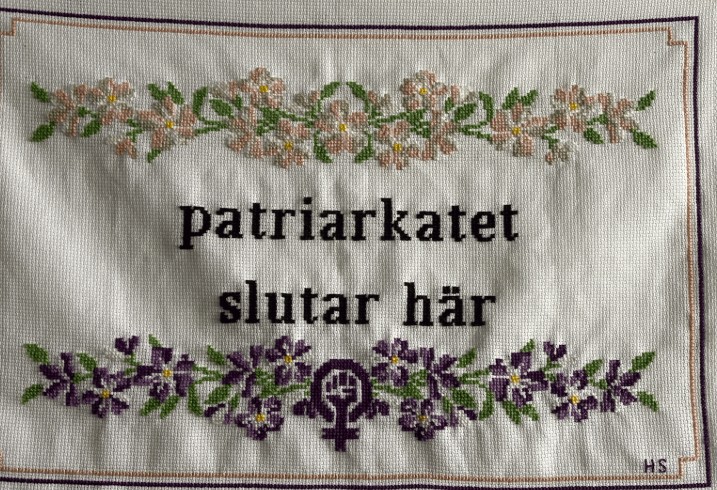 |
| Patriarchy ends here |
They are an umbrella organisation, like ours in many ways, and it was very interesting to hear about their work and priorities to promote gender equality in Sweden. One of their many strengths is analysis and they do a thorough annual report on the government budget from a gender lens. This year’s budget did not get a good report card.
Sweden has a really strong reputation for gender equality, but like many, are feeling the effects of the global context for women and girls changing for the worse. One - of many - interesting projects they are part of focuses on democracy: MOTERIS, Protecting the Civic Space of Women and Girls. This project is a collaboration between fourteen European Union countries and includes both monitoring progress as well as capability lifting. This is in response to decreased funding, access and lack of voice for women organisations focused on preventing gender-based violence, protecting reproductive rights or combatting the impacts on women of prostitution. (See the press release on the launch of this project here - .pdf file. Also see, the European Network of Migrant Women Facebook reel here.)
A few Board members were buzzing as they had just come from a camp for girls and young women discussing topics like feminism and sisterhood. A successful and inspiring time for often disenfranchised young women, now in its second year. Fittingly it’s hosted where the Swedish suffrage movement really kicked off, Fogelsta, only down the road from where I grew up.
Sveriges Kvinnoorganisationer is Sweden’s representative to the Commission on the Status of Women (CSW) and highly value international collaboration. They also - and rightly so - highlighted that we have to work with men as allies to make lasting change.
I shared some of NCWNZ background, including some of the current issues in New Zealand. They were impressed to hear how early we got the vote, and that we are often invited to make oral submissions - apparently something not at all common in Sweden. They were interested to hear about our gender attitude survey and we will share the result with them after the 2025 results are launched on Wednesday 17 September in Wellington.
Speaking of international collaborations, you may recall that we work closely with the National Council of Women Australia, who represented NCWNZ at the International Council of Women General Assembly in Marrakesh in June.
Fiona Dorman, their president, recently shared an overview of the resolutions passed and some of the hot topics raised. It’s becoming clear that we have to continue to work across borders. A personal reflection from Fiona was how much she appreciates and values the indigenous wisdom demonstrated at these type of events. We are very lucky to have such strength in our country from our tangata whenua and wāhine Māori.
I’ll finish with a Swedish saying: Många bäckar små, göra en stor å. A literal translation would be something like ‘many small streams create one big river’. When there’s so many things that feel difficult in the world right now, it’s too easy to forget that small actions can lead to great change.
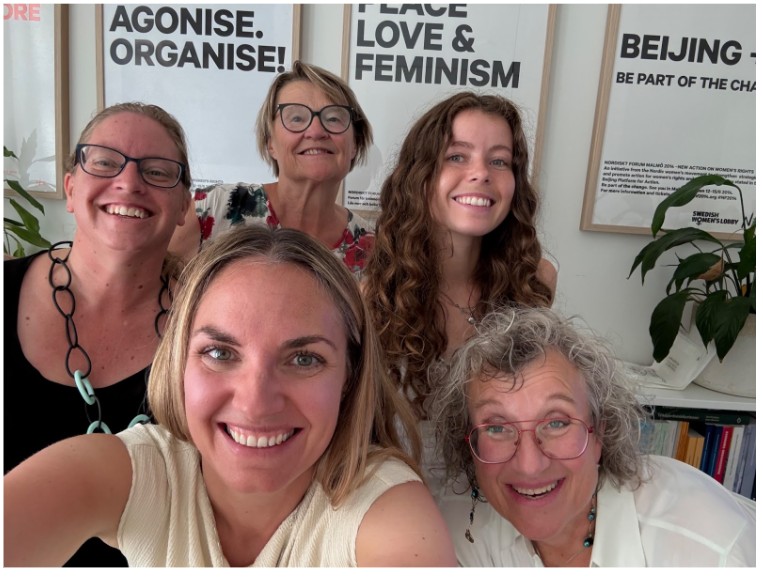
[Above is a photo from the hui, in the back row from the left; myself, Inger Lise Olsen, styrelseledamot (Board member) and Ebba Nikolic Kajrup, Internationell sekreterare (International Secretary). In the front from the left: Susannah Sjöberg, Generalsekreterare (General Secretary), Katja Åsbäck von Meyburg, styrelseledamot och representant för Roks (riksorganisationen för Sveriges kvinno- och tjejjourer) Board member and representative for women and girls’ refuge services). In the meeting was also Ewa Johansson, styrelseledamot (Board member - who had to leave earlier so is not in the photo]
By
Carin Sundstedt
NCWNZ Board Member
Introducing our new Comms Team intern, Manon
My name is Manon Valls-Hazarian, and I’m excited to introduce myself as the new French intern in the Communications team at NCWNZ. I arrived in mid-July and will be staying until the end of November.
I’m 19 years old and currently in my third year at university in Toulouse, in the south of France. My studies focus on political science and international relations.
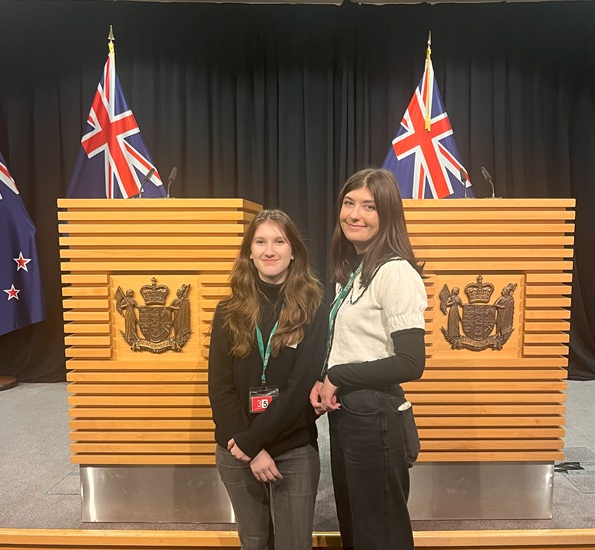 |
| Manon is on the left, and on the right is Mathilde, NCWNZ Board Admin intern. |
I chose to begin my exchange year with an internship in New Zealand because I wanted to experience a completely different political and social environment and improve my English. Working with NCWNZ allows me to explore how gender issues are addressed here, while gaining real insight into how an NGO operates in practice.
I'm happy to be in Aotearoa New Zealand. It’s my first time here, and I’m looking forward to exploring the country and learning more about its history, society, and culture and maybe even meeting some Kiwis. That’s why I’ll be staying in New Zealand until February 2026. I hope to visit as many places as possible.
During my internship, I’ll mainly be working on organizing the launch of the Gender Attitudes Survey, and I’m very excited to get involved in the Communications team’s ongoing projects. I also look forward to meeting the whole NCWNZ community.
Report by Christine Knock on the International Council of Women General Assembly June 2025
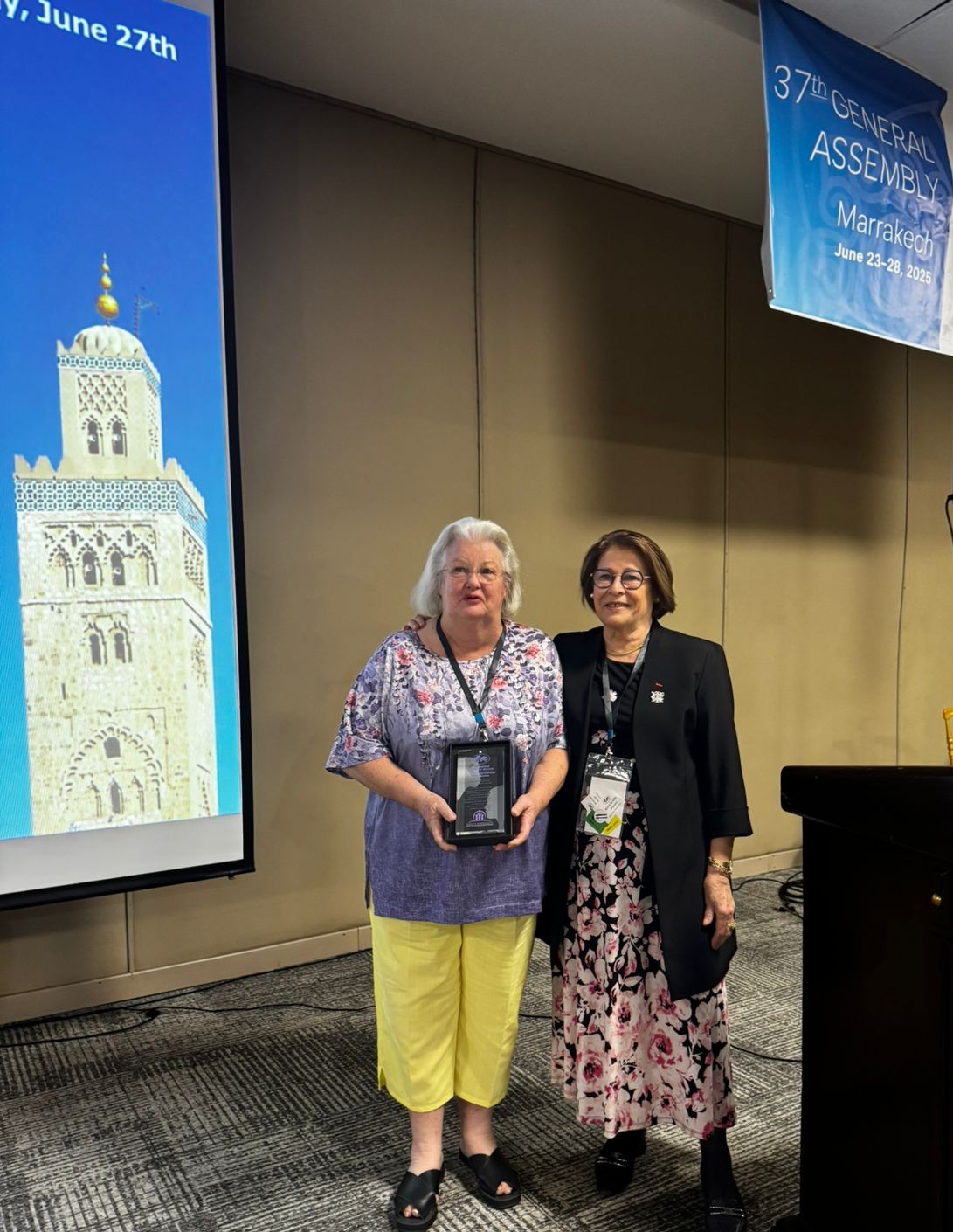 In 2005 I attended the Executive Committee Meeting in Rabat, Morocco with the then NCWNZ President Christine Low and we had a couple of days together for sightseeing in Marrakech. So, it was nice to return to Marrakech to see what progress had been made to the city in the past twenty years.
I have just returned from Morocco after attending the International Council of Women (ICW) General Assembly in Marrakech, Morocco in June 2025.
At this meeting I completed my twenty-three years' service at the International Level and was delighted to be presented with an Acknowledgement Award for my services to ICW by the current ICW / CIF President Martine Marandel. During my twenty-three years I held positions of the ICW Advisor for Youth, Social Issues Co-Ordinator, ICW Board Member for three years and an ICW Vice President for six years. The past six years, I have been the Secretary to the Asia Pacific Regional Council of ICW.
It was wonderful to meet up again with NCW friends from many countries around the world in particular from the Ukraine, Turkey, Malta and Switzerland.
I have been responsible for running and overseeing the ICW Gift Shop at which attendees bring items and gifts for us to sell and then donate the money to local groups in need. The organisations who would be receiving the money were:
- CASEFF - Socio-Economic Empowerment Center for Women which offers vocational training workshops in various fields such as traditional and modern sewing, cooking, pastry making, digital skills and more. Its primary target is women living in precarious or vulnerable situations, with the aim of promoting their social empowerment through skill development and professional integration.
- DAA CENTER - DAL AL AFAQ CENTER Support and Shelter Center for Women in Crisis - This center provides a safe and welcoming space for women facing difficult life circumstances. It offers temporary accommodation as well as training opportunities to support their reintegration, autonomy, and long-term stability.
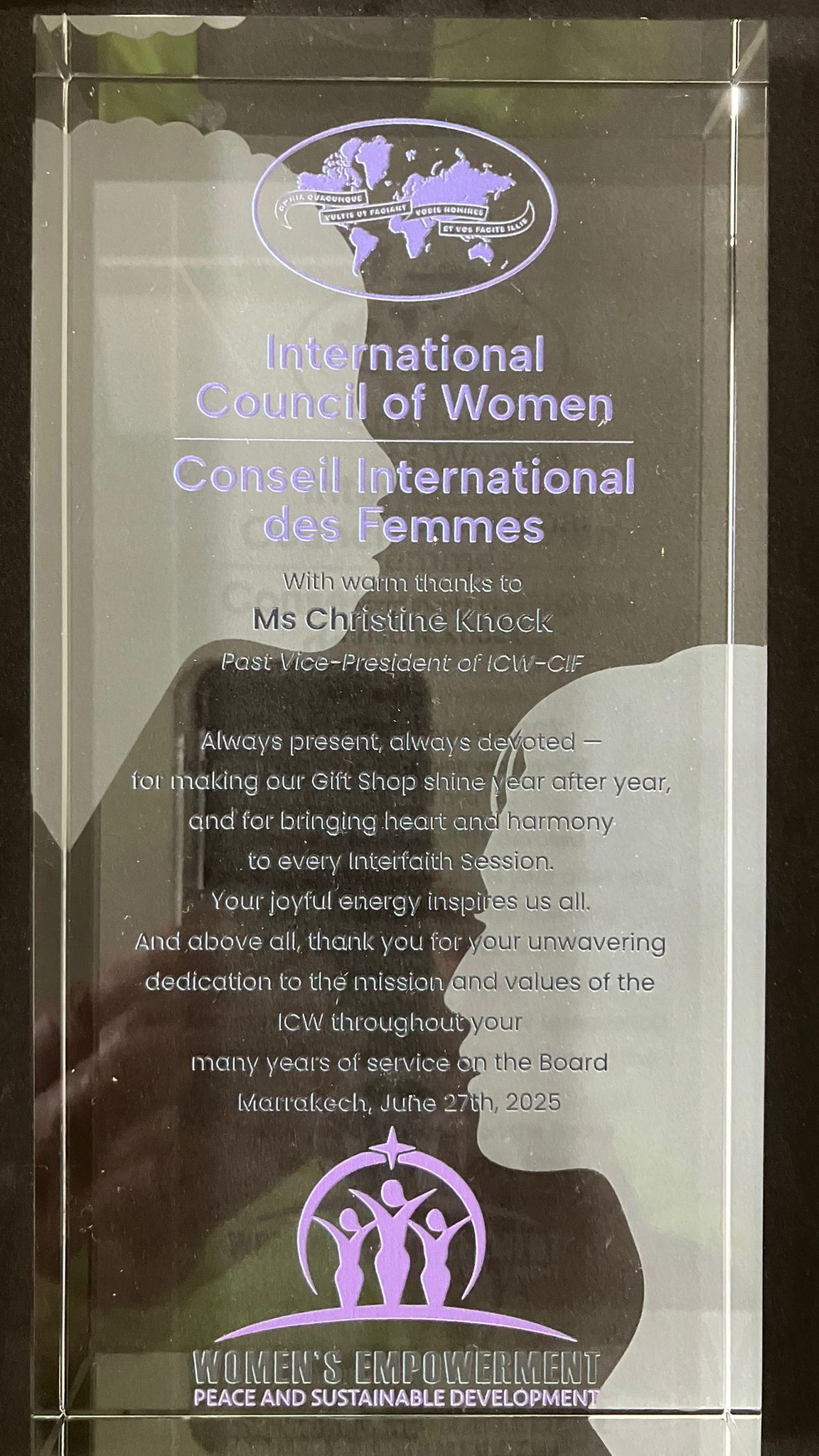 We had the opportunity to visit both of these centers on the Opening Day of the General Assembly and meet and speak with some of the girls' and women. Total amount raised and donated from the ICW Gift Shop over the 4 days was Euro 1828.30.
I also had the responsibility of overseeing and preparing with other ICW attendees participating at the Multi Interfaith Service held one morning at each Executive Committee Meeting and General Assembly over these years.
I would like to thank those past NCWNZ Presidents who have supported me over the years I have served on ICW and in particular Dame Alison Roxburgh who had also served in different ICW positions including ICW Vice President.
I look forward to attending future ICW meetings and meeting up with past, present and new country representatives.
It has been a pleasure for me to be able to serve and represent the National Council of Women of New Zealand and Girls' Brigade since 1987 - locally, nationally and internationally - and I will continue to do so.
Yours in Community Service,
Christine Knock MNZM
NCWNZ Life Member
New book on Marie Curie and connection with Graduate Women International
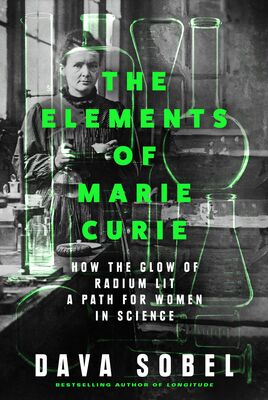 Dava Sobel, the bestselling author of Longitude and Galileo's Daughter, offers a new biography, The Elements of Marie Curie: How the Glow of Radium Lit a Path for Women in Science. The book chronicles the life and work of the most famous woman in the history of science, and the untold story of the young women who trained in her laboratory.
Marie Curie née Skłodowska is still the only person to win a Nobel Prize in two scientific fields. Her ingenuity extended far beyond the laboratory walls; grieving the death of her husband, Pierre, she took his place as professor of physics at the Sorbonne, devotedly raised two daughters, drove a van she outfitted with x-ray equipment to the front lines of World War I; befriended Albert Einstein and inspired generations of young women to pursue science as a way of life. Many of these women including her daughter Irene, became Nobel Prize winners in their own right.
Each occasion Marie had a new advance to announce to the world, she had to beg a male colleague to present it to France’s scientific academy, which barred women from its ranks.
 Many of her laboratory workers joined the International Federation of University Women now Graduate Women International, a worldwide organisation uniting university women. They were convinced that by fostering friendship and understanding, women graduates could help prevent another catastrophe such as the World War that had just ended. This included Ellen Gleditsch, a Norwegian radiochemist and one of Marie Curie's former assistants, who served as president of the International Federation of University Women from 1926 to 1929.
Marie Curie in 1922 became a member of the Committee of Intellectual Co-operation of the League of Nations, serving until 1934. UNESCO has continued some parts of this Committee's mission. She died on 4 July 1934, and her legacy continues to shape social and scientific norms today.
By
Rae Duff ONZM BSc Dip Ed
Past president NCWNZ and Vice president of International Graduate Women
Interview with Professor Gail Pacheco, EEO Commissioner
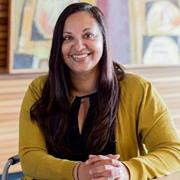 Gail Pacheco is currently an adjunct Professor in the Faculty of Business, Economics and Law at the Auckland University of Technology and she is the Kaihautū Ōritenga Mahi Equal Employment Opportunities (EEO) Commissioner at the Te Kāhui Tika Tangata Human Rights Commission. She was invited by Eva Hartshorn-Sanders of the International Action Hub to provide her perspectives on a series of questions of importance to our members.
What are two significant issues facing women and girls in Aotearoa New Zealand?
The road to gender equality is long and uneven. In Aotearoa New Zealand we have made good progress in some areas, for example the increasingly levels of labour market participation and educational success of women and girls. There, of course, remain many pressing issues. It is worth noting that these challenges may also be magnified when they intersect with other aspects of identity, such as ethnicity, belonging to rainbow communities, or having a disability. Two key issues are briefly described here: pay equity and Diversity, Equity, and Inclusion (DEI) initiatives.
Pay Equity
Currently access to pay equity is an issue of significance. As Kiwis we believe in giving everyone a fair go. That includes making sure people working in jobs dominated by women are paid fairly and valued for their work.
Pay equity claims seek to address longstanding inequalities between men and women performing work of equal value. Recent legislative changes are concerning for several reasons. It has now become more difficult to access pay equity remedies as the announced changes limited the scope and set higher thresholds. Further, progress on existing claims have been halted, and these are claims that thousands of people have advocated for and worked on in good faith.
Introducing these changes under urgency has removed the opportunity for meaningful consultation with affected groups. Moreover, the changes conflict with the Government’s obligations under Te Tiriti o Waitangi, which include taking active steps to reduce pay disparities and promote equitable outcomes for Māori.
This is why I support Marilyn Waring’s creation of a People’s Select Committee, by bringing together ten former Members of Parliament from across the political spectrum. I encourage all people interested in the topic to make a submission, whether that is on the changes as a whole or simply elements of it that you have particular interest in. The link to make a submission is https://www.payequity.org.nz/.
Protecting and Advancing DEI Initiatives
Diversity, Equity, and Inclusion (DEI) is about ensuring that every person — regardless of ethnicity, gender, sexuality, disability, or socioeconomic background — has a fair chance to thrive in the workplace. DEI helps guard against bias, discrimination and limited access to networks, which continue to affect many. DEI upholds human rights, fairness and dignity.
Despite progress, DEI is under pressure – and this is occurring in both the global and domestic context. Here in New Zealand, we’ve seen moves that threaten past gains — from changes to the Equal Pay Act to disbanding Te Aka Whai Ora which was established to address health inequities experienced by Māori. There are also currently proposed changes to our Public Service Act that involve removing DEI. From my perspective, these policy shifts are part of a wider landscape where there is a rollback of equity commitments.
There are a number of false narratives in this space. One significant and common myth is that DEI undermines meritocracy. The truth is that removing unfair barriers is what enables true meritocracy.
DEI will also make our society and economy stronger. With Māori, Pacific, and Asian populations projected to make up nearly 60% of our workforce by 2043, inclusive workplaces will be essential to productivity and resilience.
I encourage everyone to ensure that DEI initiatives where they work are continued and strengthened and that people around you understand that DEI is a crucial component of merit-based appointments.
How can data help us to address these wicked problems?
Data is very important; it can expose patterns of human rights issues and help us understand human rights issues at a systemic and not just an individual level. It also helps us measure improvements in human rights and whether the work we are undertaking has impact.
Look at the gender pay gap, many organisations have made an intentional and concerted effort to measure, to understand and reduce the gap. Data has been pivotal in this space. At the organisational level, it helps to understand whether gaps are occurring in like for like roles, or whether the key reason for an organisational gender pay gap is systemic in nature – e.g. women are not progressing to the more senior roles within the organisation. Once an organisation understands the key drivers behind their gender pay gap, they can develop plans to help reduce it, and then can use data to measure the impact of their policies.
The importance of data is recognised at the international level, for example the UN Committee on the Elimination of all forms of Discrimination Against Women acknowledged the need for data to advance women’s rights in the 2024 review. The Committee recommended that we adopt measures based on systematic data collection and analysis to strengthen prevention of gender-based violence against women.
It is also worth noting that obtaining accurate data in some areas is difficult for a myriad of reasons, but this does not mean that those areas are not important for human rights advocacy. For example, accessing statistics on gender-based violence, family violence and data related to human trafficking are areas where there is likely underreporting and difficulties in collecting accurate data.
What other key steps do you think we need to take – particularly from the government and business perspective?
I would love to see our government use human rights as an underlying driver in decision making. Upholding human rights should not be an afterthought or reserved for specific projects but should be woven into an all of government approach. At an international level there are various human rights treaties that we are not yet party to. For example, it would be great to see the government ratify ILO 190 which recognises the right to a world of work free from violence and harassment, including gender-based violence. It could be a powerful tool to protect women — especially in vulnerable jobs — ensuring safety, dignity, and equality in the workplace.
For businesses, ideally, they would take a similar approach. I would encourage them to understand that businesses have human rights obligations and learn about these. At a pragmatic level I would suggest that businesses, particularly small businesses, look at one or two specific initiatives that they can be involved in to proactively uphold human rights. Many businesses are doing this already even if they do not think of it as human rights work or use that framing. This may be, for example, measuring and reporting gender and ethnic pay gaps or undertaking modern slavery risk assessments.
How would you like to work with women's organisations while in your role?
There are many effective and strong women’s organisations in our country (many of which I have already spoken to in my first 9 months in the role), and I look forward to strengthening my collaboration with them. This is particularly important at times when many organisations have constrained resourcing.
I am particularly interested in working with women’s organisations that are taking an intersectional approach to women’s rights. The right of women and girls do not stand alone but are connected to our other human rights and our many other identities. Human rights are deeply interconnected and woven together, and we must have this in mind in our advocacy work.
What do you like to do when not working, and what is one interesting fact about you that people may not know?
When not working, I enjoy spending time with the kids – although not so sure they feel the same way all the time, given they are teenagers now (aged 15 and 18). I am an avid gym goer, and am regularly up for a jog at 6am. And for the interesting fact, I enjoy watching most sports and am a loyal fan of the NZ Warriors – have been a season ticket holder for more than 20 years – so, I will have to end with Up The Wahs!
Why did you join your community board?
It’s a question I am often asked by friends and acquaintances who either know nothing about our local government system (and that is a large number) or cannot understand why I would put myself through countless meetings for very little reward.
I guess there has to be a particular personality type that is attracted to reading copious documents, wading through the sludge of bureaucracy and paperwork that slows everything down. For me, it’s about the bigger picture. It’s about society, history, geography and the desire to make your place and the future better.
I was involved in my home town on a number of committees before I went on the community board and I guess I was shoulder tapped by someone who was running for Mayor because of hat involvement. My first realisation that there was such a thing as a community board came when I wanted to put up some artwork and had to liaise with them. The board of elderly men I encountered certainly wasn’t something I would have considered joining on first sight.
But with retirement from teaching looming, I wanted something to do -- and working for the community seemed an obvious choice. A community I knew I would be known in and so had the potential to get votes. A community I was already involved with in many ways.
I’ve always liked change and unpredictability and the nervous excitement of standing for election sort of appealed to my wild side. It was also incredibly scary and is the worst part of the whole business. But being part of decision making in your own patch certainly appealed to me, as well as working as part of a team and it still does after all this time.
What does being on a community board entail?
Organising signage, sites and erection according to quite picky rules is a hard start to your time as an elected member. And some people spend a lot to get the same result as others who spend nothing and do nothing. Frustrating but all part of the game.
The induction efforts of my Council certainly paved the way well to understanding how a Council works and the far-reaching impact that those decisions made by boards and council have on the local population.
Community boards are the bottom rung of the ladder, the grass roots of local government and sometimes it does feel as if we are just rubber-stamping decisions made already by the Council. Fortunately for me the huge impact of the 2010 and 2011 quakes produced far more important and life changing decisions to deliberate on than a normal term would have and the job became far more meaningful than it would have been otherwise.
But during more mundane times there are still exciting opportunities offered to those who put themselves forward to serve their community. Imagine having to decide how to spend half a million dollars from a bequest from a local resident or making decisions about the landscaping of the town entrances and discussing the merits of local groups applying to the Board for funding. Those were just three items on our last meeting agenda.
What else would you say to women considering running for local government?
If you care about your local environment and would enjoy having input to local decision making, put your name forward. Don’t leave it all to the men in our society to make those important decisions.
Inside the Glass Cage exhibition
On Friday, 15 August 2025, NCWNZ members had the pleasure of attending the Inside the Glass Cage: Online Misogyny in Aotearoa New Zealand exhibition at Te Auaha Gallery in Wellington. This was a collaboration between researchers Tracey Nicholls, Suze Wilson, Sarah Riley and Rochelle Stewart-Withers, with artist Richard Brown, to show the results of the Marsden-funded research project that is in its first year.
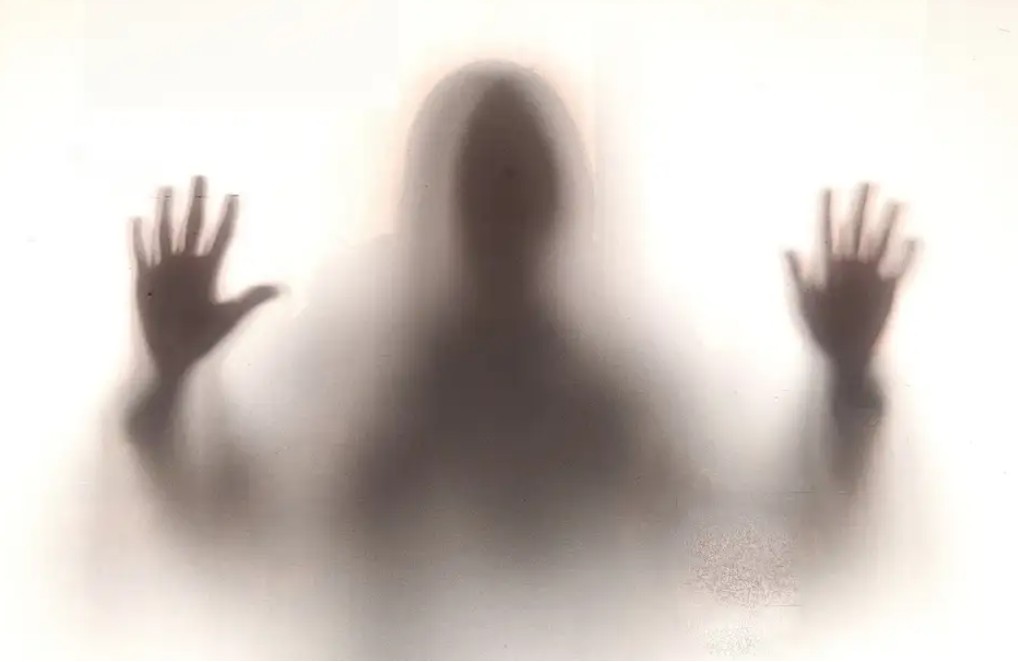
The exhibition offered visitors an immersive experience showing the impact of online misogyny. It featured three ‘glass cages’ – seven Perspex walls and one open wall so that you can walk inside. Each cage had quotes from interviews with women politicians and journalists, written on the walls.
Inside the Glass Cage confronted its visitors with the violence women face online, and in particular, what impact that has on them physically and emotionally. Too often rendered invisible or dismissed as insignificant, online violence is deeply rooted in the real world, undeniably affecting the daily lives of its victims as this exhibition shows. Increasingly, the digital sphere is providing a fertile ground for hate and violence.
Women in the public sphere have had to develop strategies to resist those who wish to silence them. Online misogyny, by functioning as a ‘glass cage’ tries to limit women action by affecting their credibility and self-confidence. This issue extends beyond the impacted women themselves to impact the whole society through limiting the diversity of voices in public spaces.
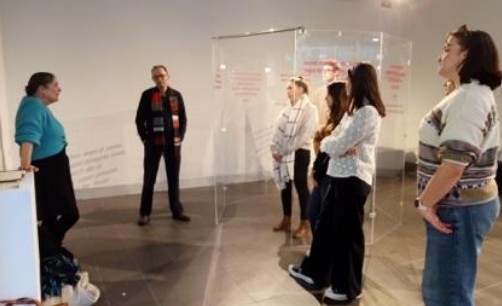
Inside the Glass Cage places women’s experiences at the centre of the exhibition. Beyond simply presenting data, the exhibition offers a striking and powerful interpretation of the lived reality faced by many and invites the visitor to feel the emotions and empathise with them. It serves as a reminder of the importance of neither overlooking violence invisible nor downplaying it, regardless of the form it takes.
We thank Dr Tracey Nicholls for her fascinating and insightful explanations, and the research team for their invitation. We wish all of them a lot of success in their project. In the next phases of the research, they will be talking to more participants. If you are interested in knowing more about the project or participating, please contact Dr Tracey Nicholls at [email protected].
By
Mathilde Jaulin and Manon Valls-Hazarian, NCWNZ interns
Heartfelt greetings from Suman Kapoor on Suffrage Day
Good morning, my NCWNZ sisters,
On this Women’s Equality Day (some parts of the world), my heart is full with gratitude for the bonds we share. I see the grit and the beauty in each of you, a profound humility born from a life well-lived, and a deep compassion that brought us together in this circle—a circle that houses the incredible women of National Council of women worldwide.
We carry the sacred memories of those we have lost that built our heritage and in doing so, we honor their legacy with our strength. We have walked through valleys and climbed mountains together, and through it all, you have shown me what it means to be truly resilient.
For over two decades, I’ve devoted myself to fulfilling my commitments, and I know I did my best. But today, I want to challenge all of us. Let us step into the next decade not just to build a legacy, but to live it. My wish is for each of you to unapologetically honor yourself first. Devote your time to what sets your soul ablaze, and remember that our happiness is a revolution in itself. Never apologize for claiming your joy.
The past has shaped us, but the future awaits. There are countless new adventures ahead, and I can't wait to write those unwritten chapters with you. Happy Women's Day! We in New Zealand will soon be celebrating suffrage day September 19th.
Suman Kapoor
Past President
NCWNZ Hamilton Branch
Series featuring NZ's international treaties: Convention Against Torture & Other Cruel, Inhuman or Degrading Treatment or Punishment
The Convention on the Elimination of All Forms of Discrimination against Women (CEDAW) is not the only international treaty that recognises rights for women. Members of the International Action Hub are writing a series of articles on the many different international treaties to which New Zealand is a signatory and how this impacts women and girls.
 The United Nations' Convention Against Torture & Other Cruel, Inhuman or Degrading Treatment or Punishment (CAT) was adopted and opened for signature, ratification and accession by UN General Assembly resolution 39/46 of 10 December 1984 and entered into force on 26 June 1987. New Zealand ratified the CAT on 10 December 1989.
The Optional Protocol to the CAT seeks to prevent torture and other forms of ill-treatment through the establishment of a system of regular visits to places of detention carried out by independent international and national bodies. It was adopted by resolution A/RES/57/199 on 18 December 2002 at the 57th session of the UN General Assembly and entered into force on 22 June 2006. New Zealand ratified the Optional Protocol on 14 March 2007.
In Aotearoa New Zealand both are administered by the Ministry of Justice. The Office of the Ombudsman is designated to examine and monitor the treatment of persons in prisons and refers to various international treaties and guidelines when doing so, including CEDAW and UN Rules for the Treatment of Women Prisoners and Non-custodial Measures for Women Offenders (the ‘Bangkok Rules’).At the United Nations, the Committee Against Torture is the body of ten independent experts that monitors implementation of the CAT and the Optional Protocol.
The Convention absolutely prohibits torture and other acts of cruel, inhuman, or degrading treatment or punishment. States parties agree to prevent acts of torture in connection with activities that include:
- returning, expelling or extraditing someone to another country where there are
grounds to believe they will face torture; - arrest, detention and imprisonment;
- interrogation; and
- the training of police (civil or military), medical staff, public officials and anyone
else who may be involved in the arrest, detention and questioning of a person.
The Convention also covers prisons and, during the last review into New Zealand’s compliance with its obligations (2023), one of the issues that the Human Rights Commission raised was the disproportionate representation of Māori throughout the criminal justice and State care systems, the usage of non-lethal weapons, solitary confinement, segregation, and restraint in prisons. The then-Equal Employment Opportunities Commissioner Saunoamaali’i Karanina Sumeo pointed out that “our places of detention are simply not living up to the aspirations expressed in government policy documents and declarations, nor are they meeting international human rights standards.”
 Most recently in Aotearoa, the Convention has been cited during the Royal Commission of Inquiry into Abuse in Care. The Royal Commission found that many of the 362 children who went through the Lake Alice Psychiatric Hospital Child and Adolescent Unit between 1972 and 1978 did not have any form of mental illness yet were subjected to unmodified electroconvulsive therapy (ECT) or paraldehyde injections. The Committee against Torture found New Zealand in breach of its obligations under the Convention and in July 2024 the Government formally acknowledged that torture had occurred at the Lake Alice Unit as defined in the Convention and that it would provide redress to survivors.
By
Megan Hutching
WILPF Aotearoa, wilpf.nz
NCWNZ International Action Hub
Some of what's happening at local branches
At 7 am on a fresh Dunedin winter’s morning, 100 young women from the local secondary schools gathered at The Edgar Centre, Dunedin’s premier sporting area, to listen to six inspiring young women who have followed diverse paths to achieve real success in their fields.
The aim of this breakfast is to show students that, even though you face apparently insurmountable obstacles, there is often an unexpected pathway to success.
 Over bacon, eggs, mushrooms, hash browns and croissants, we listened to a world champion cyclist, a leading female plumber, a very successful finance adviser, a comedian and one of our local MPs, Rachel Brooking.
We were fortunate to have generous sponsors, who allowed us to keep the cost to students to a minimum.
The branch is grateful to our Life Member, Elisabeth Cunningham, who organises this each year with her normal efficiency.
On Tuesday 26 August 2025, the Hamilton Branch of the National Council of Women New Zealand hosted a well-attended Meet the Candidates evening at the Waikato Cathedral Church of St Peter, 51 Victoria Street. The event drew 33 local government candidates and a strong audience of engaged voters.
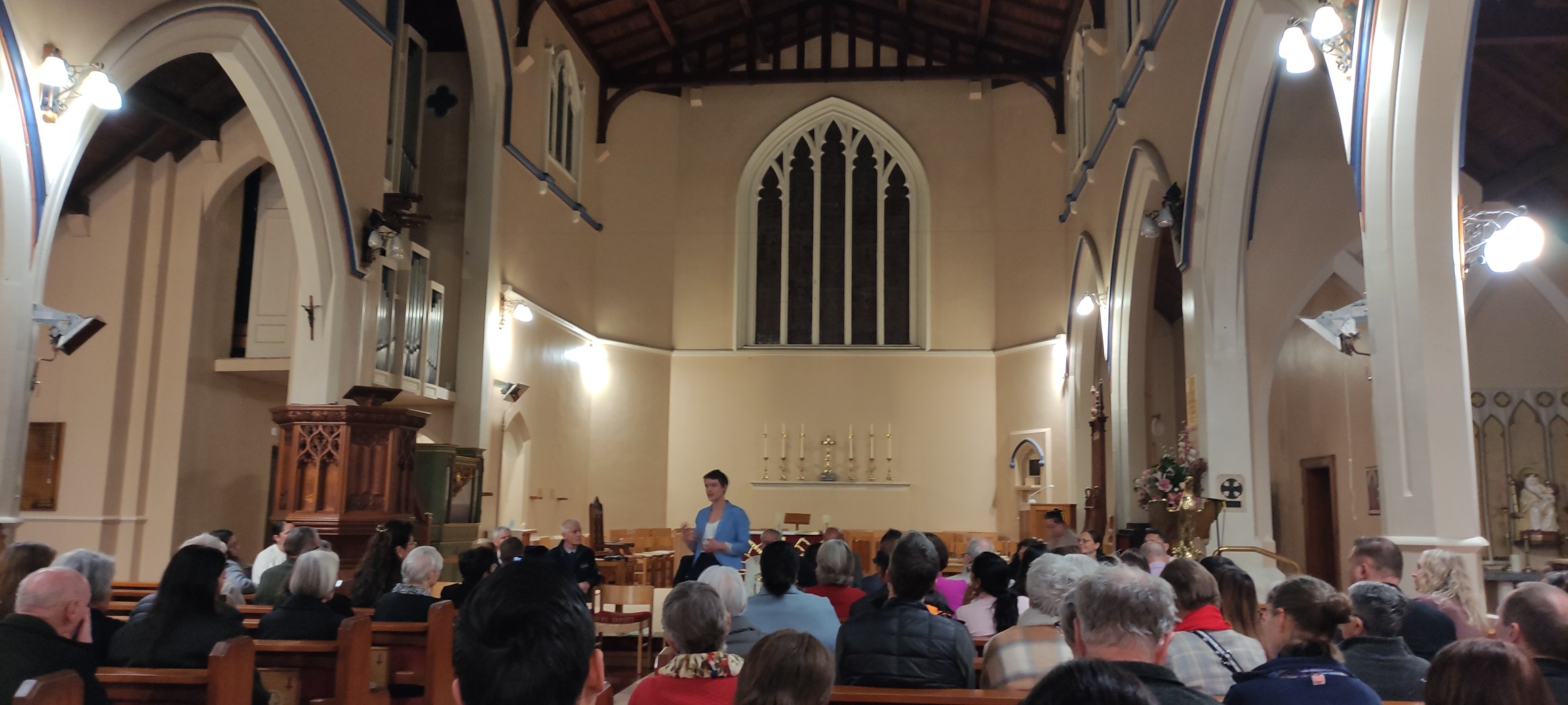
Sarah Thomson, one of the women mayoral candidates
Proceedings opened with mayoral candidates and those standing in the Kirikiriroa Maaori Ward sharing their visions for Hamilton, before all participating in a lively rapid-fire question round.
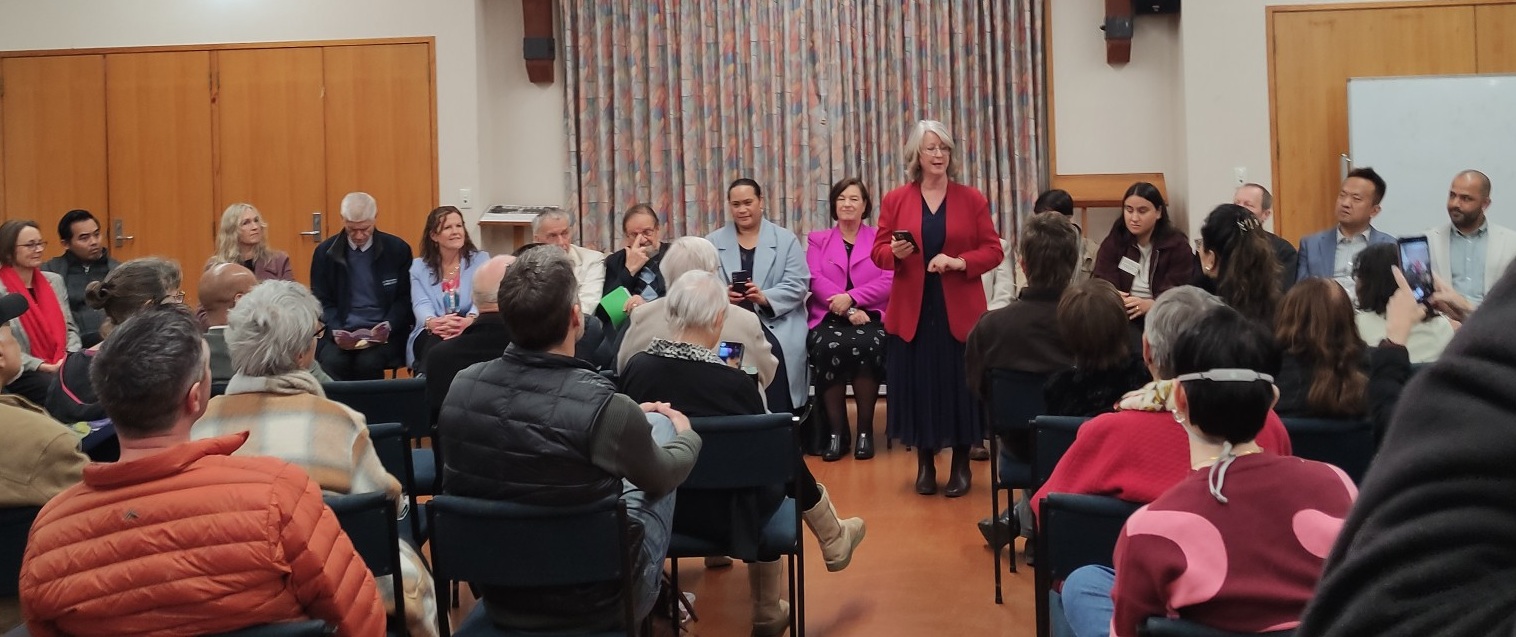
Maxine Van Oosten, current Councillor
From 7.30 pm, ward-specific sessions were held: West Ward and Hamilton-based regional council candidates spoke in the Cathedral, while East Ward candidates presented simultaneously in the Hall. This format gave the public an opportunity to hear directly from a wide cross-section of voices.
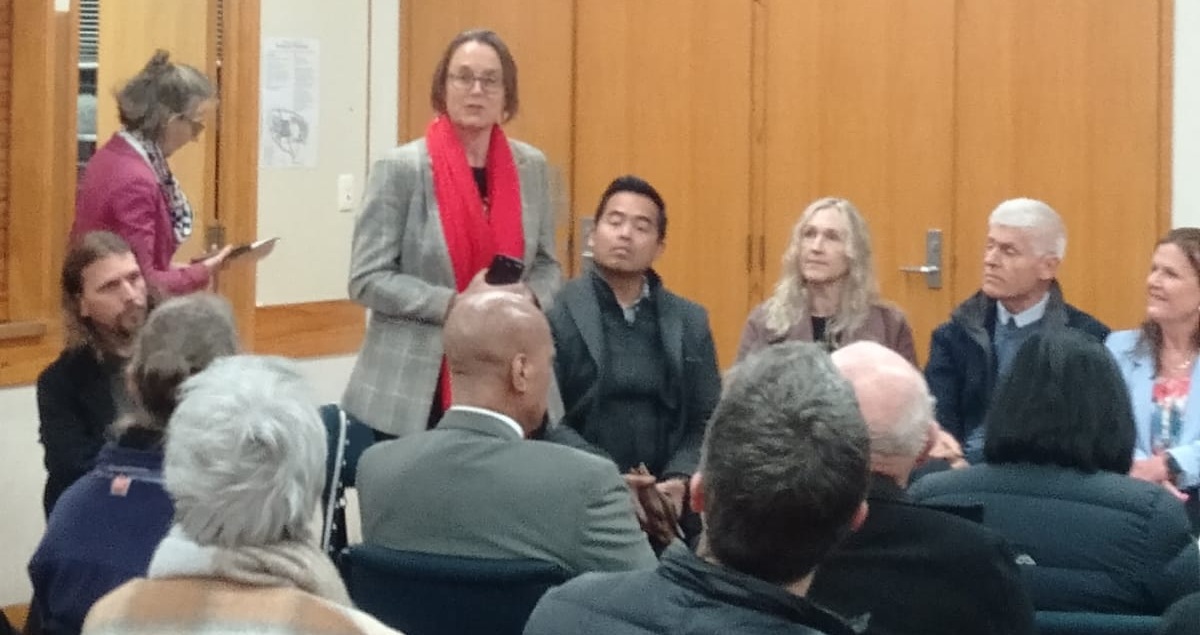
Anna Casey Cox, current Councillor
The evening closed with networking over hot drinks and biscuits in the Hall, where attendees could engage more informally with candidates.
NCWNZ Hamilton Branch was delighted with the turnout, noting the event provided a valuable platform for democracy in action and for voters to connect directly with those seeking to represent them.
In July, the Wellington Branch of the National Council of Women New Zealand, Graduate Women Wellington, and Zonta Club of Wellington, came together to co-host the Annual Women's Debate 2025: "Parity in Politics."
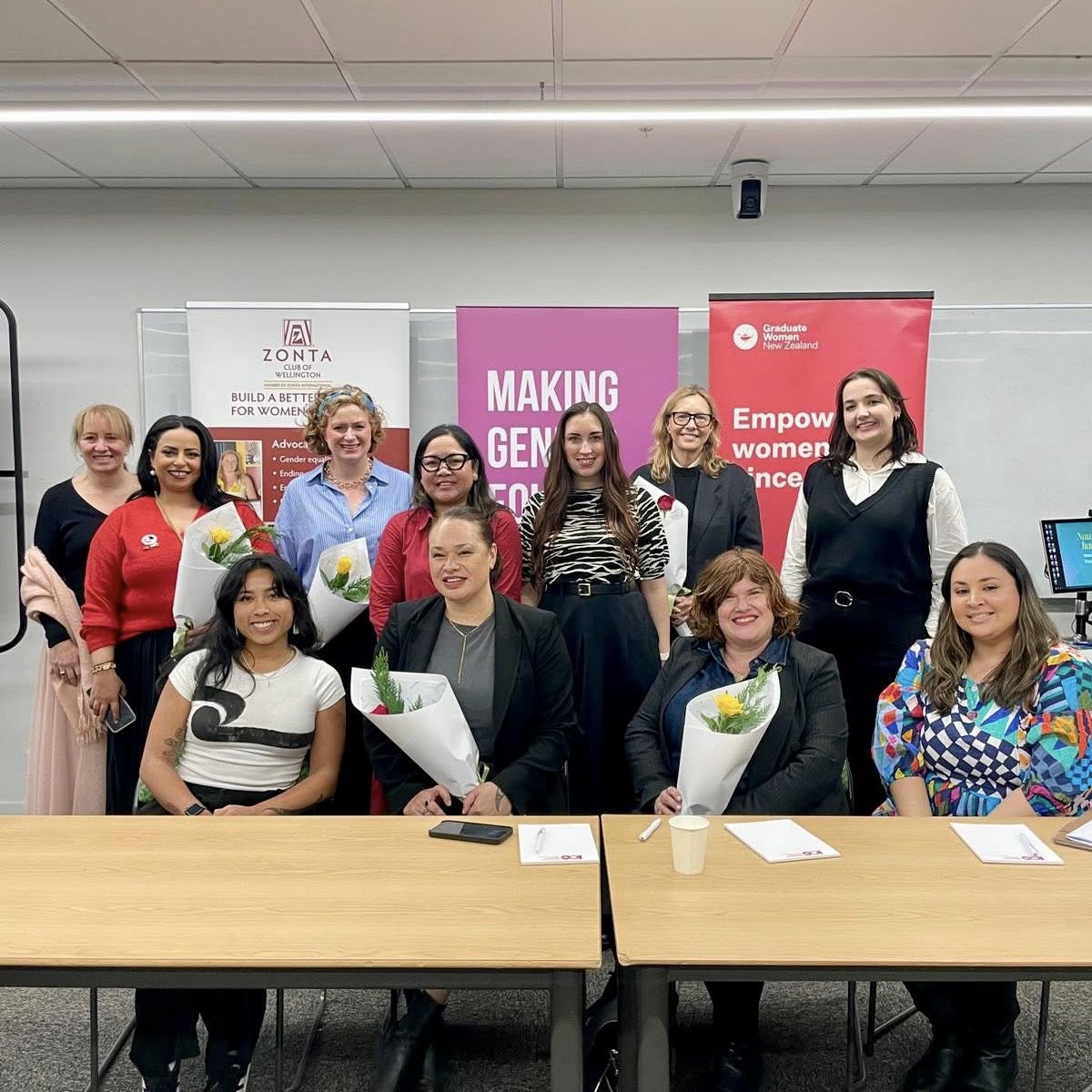
The panel, moderated by award-winning journalist and broadcaster for RNZ Susie Ferguson, featured:
- Susan Freeman-Greene, Chief Executive of Local Government New Zealand
- Tory Whanau, Mayor of Wellington City
- Rebecca Matthews, Wellington City Councillor
- Afnan Al-Rubayee, Senior public servant and community leader
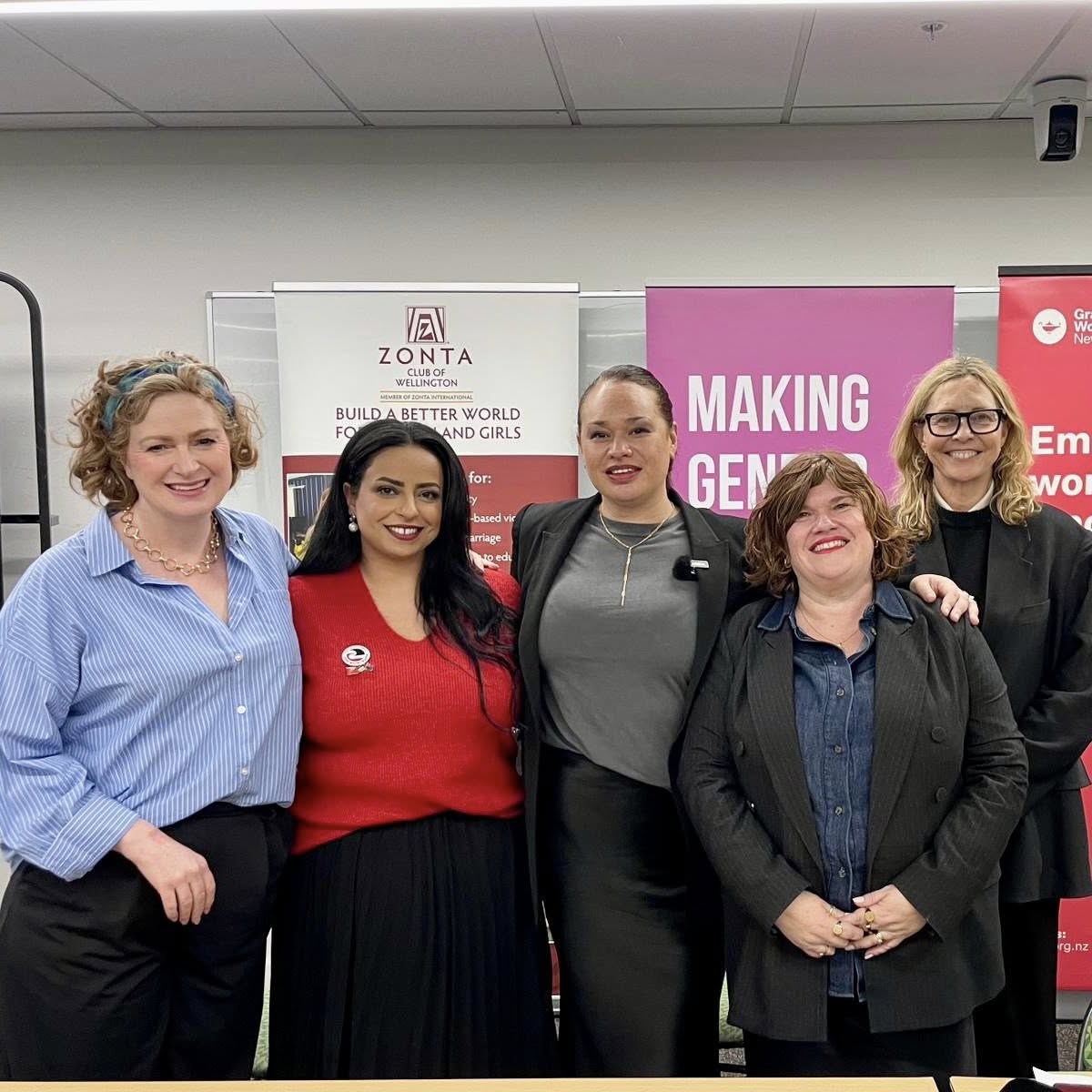
This year's debate resulted in a powerful kōrero about the challenges and barriers women face in local government and what is being done to address these and make a #GenderEqualNZ in our local politics.
A recording of the event can be found on the National Council of Women New Zealand YouTube channel:
https://youtu.be/pXpYCOAY2ew?feature=shared
By
Katherine Dickerson, President, NCWNZ Wellington Branch
NCWNZ Action Hubs
Rosemary Du Plessis – on presenting to the People’s Select Committee on Pay Equity
I presented the NCWNZ oral submission during the third hearing of the Committee on Monday 25 August, as lead writer Irene Ryan was unavailable. Although actively involved in the full submission, coordinating the Ōtautahi Christchurch Branch response and as an Economic Independence Action Hub member, it was a bit daunting to present to such a high-powered set of women, and to condense our key points to the allocated fifteen minutes in total -- and we needed to leave time for questions/discussion. For submissions and recording see:
- NCWNZ Submissions: NCWNZ Submissions;S25.15_ORAL_People's_Select_Committee_on_Pay_Equity.pdf and S25.15_People's_Select_Committee_on_Pay_Equity.pdf
- Select Committee recording: YouTube https://share.google/CR4YgbDYcvab71f2z see 2.09.50 - 2.29.06
Equal Pay Amendment Act 2025
On 6 May 2025, the Government passed the Equal Pay Amendment Act 2025 under urgency, replacing the 2020 legislation without consultation or a Regulatory Impact Statement. This abrupt legislative change discontinued 33 active pay equity claims—some close to settlement—and made future claims significantly harder to pursue. The new law raised the threshold for female-dominated work to 70% over 10 years (previously 60%), introduced a 10-year bar on repeat claims for the same employees, and gave employers greater control over claim eligibility and the right to opt out of multi-employer claims. It also restricted the selection of comparator occupations, making it harder to demonstrate pay inequities across sectors, and prohibited review clauses in settlements—undermining long-term accountability.
People’s Select Committee
Marilyn Waring convened the People’s Select Committee on Pay Equity, comprising 10 former MPs from across the political spectrum, to hear submissions from individuals and organisations excluded from the legislative process. Their goal is to enable adequate scrutiny of the regulatory, economic and social impacts of this change to the Pay Equity Amendment Act 2020 through consideration of evidence provided by those directly affected and the public. https://www.payequity.org.nz/
NCWNZ responses
NCWNZ issued an immediate strong public statement: NCWNZ Calls Out the Coalition Government For Its War on Women https://www.ncwnz.org.nz/tags/pay_equity .
NCWNZ coordinated a detailed written submission led by Irene Ryan, co-convenor of the Economic Independence Action Hub, with branches, members, and affiliated organisations contributing their responses through an Action Item. Irene and I wrote the oral submission.
Tips for presenters
-
Learn from Previous Hearings
Before presenting, I watched recordings of earlier hearings to understand how others structure their submissions. The first face-to-face hearing in Wellington is particularly valuable—it featured experienced presenters like Dame Silvia Cartwright, the CTU, and unions involved in past pay equity negotiations. Observing how they distilled complex information into clear, actionable points and responded to committee questions can help refine your own approach. Focus on how presenters framed their recommendations and handled follow-up questions. https://www.payequity.org.nz/hearings -
Support and Set-up
If presenting online, take advantage of support offered by organisers. Presenters are typically welcomed into a breakout room before their session, which helps ease nerves and clarify the process. Arrive early for an opportunity to see how the committee members pose questions and the nature of responses. Also position your camera to show only your head and shoulders—this keeps the focus on your message and avoids distractions like animated hand gestures -
Be Ready for Extended Discussion
While oral submissions are usually time-limited, be prepared for additional questions. NCWNZ’s session was extended from 15 to 20 minutes due to committee interest. Expect questions that go beyond your presentation. For example, NCWNZ was asked about engagement with Coalition women MPs, consultation during the legislative process, strategies to shift government policy, and implications of raising the age for national superannuation. -
Prepare to Handle Unexpected Questions
Some questions may fall outside your prepared material. For example, in response to the question relating to national superannuation, I could have referred to our recent submission to the Retirement Commission on the 2025 Review of Retirement Income Policies Terms of Reference. -
Draw on Lived Experience and Expertise
Many effective presenters shared personal stories from female-dominated occupations or insights from negotiating pay equity claims. Combining professional knowledge with lived experience adds depth and authenticity to your submission. Watching your own recorded presentation afterward can also be a valuable learning tool—helping you refine your delivery and presentation style for future opportunities.
Next steps
This process reinforced my sense that NCWNZ and other women’s organisations need a diverse set of strategies to regain a legal framework that supports access to fair pay for those in undervalued, but hugely important occupations mainly done by women. The next step is participation in the Women’s Day of Action on 20 September https://www.together.org.nz/women_s_day_of_action.
By
Rosemary Ann Du Plessis ONZM
Member of Economic Independence Action Hub and co-president of the NCWNZ Ōtautahi Christchurch Branch
The Hub's most recent submission was on the Pae Ora (Healthy Futures) Act Amendment Bill. The Health Hub prepared this submission, supported by the Parliamentary Watch Committee. It is available to view on the NCWNZ website (.pdf file) here. Thanks to Beryl Anderson, Fatima Junaid and Nicky Newton from the Health Hub for their work on this. It had to be prepared quickly due to a very short time given for submissions. The absence of consultation on this important health legislation was a strong point in our submission and noted with concern.

Despite near-gender balance in the work force, women paramedics in Aotearoa New Zealand report a cycle of harmful workplace interactions — including bullying, sexual harassment, and misogyny - sustained by inadequate employer responses and a culture that discourages reporting.
These accounts come from my recent Masters study involving 148 women paramedics who shared anonymous survey responses. Their stories revealed a pattern of harmful behaviour, mostly by male colleagues - many in senior clinical or management positions- as well as some senior women colleagues and male patients.
While these behaviours had serious personal consequences for women, the perpetrators often faced no repercussions. Furthermore, inadequate responses from employers and a workplace culture that discouraged reporting allowed this behaviour to continue — pushing some women to take sick leave, reduce their hours, or consider leaving the profession altogether.
One respondent described the difficult choice women often face:
“It has been established that this behaviour is acceptable by men, and the women who don’t play along are isolated and bullied and the men who are the main offenders all hold positions of authority. So we as females have two choices, play along and be harassed, or don’t and be bullied.”
Quantitative findings reinforced these experiences:
- 82% of respondents had experienced microaggressions at work
- 61% of respondents had experienced bullying and harassment at work
- 63% of respondents had experienced sexual harassment at work
The study offers a detailed account of the challenges faced by women paramedics and reveals how harmful gender-based workplace interactions:
- undermined retention
- increased absenteeism and turnover
- reduced engagement and productivity, and
- caused psychological and physical distress.
While the stories are confronting, respondents also proposed clear and actionable changes to create workplaces where everyone feels safe, respected, and able to thrive. The insights offered by these women bestow an opportunity for real, systemic change and reflect aspirations for systems that genuinely address the realities of harmful workplace interactions.
I have prepared policy and procedure recommendations that are informed by the respondents’ insights, findings, and existing research. For example, to foster a “speak-up” culture, multiple and accessible reporting options should be available, including anonymous reporting. Diverse roles should be involved in investigation processes to promote fairness and impartiality, and detailed records of complaints and grievances should be maintained to identify and address patterns of harmful behaviour.
This research presents an exciting opportunity to honour the bravery of the women who candidly shared their experiences. Their insights highlight pathways for improvement, emphasising the need for gender-and evidence-informed policies and procedures within the profession. Adopting these recommendations would enhance the experience of women paramedics and set a benchmark for other industries, driving systemic change and contributing to broader societal progress.
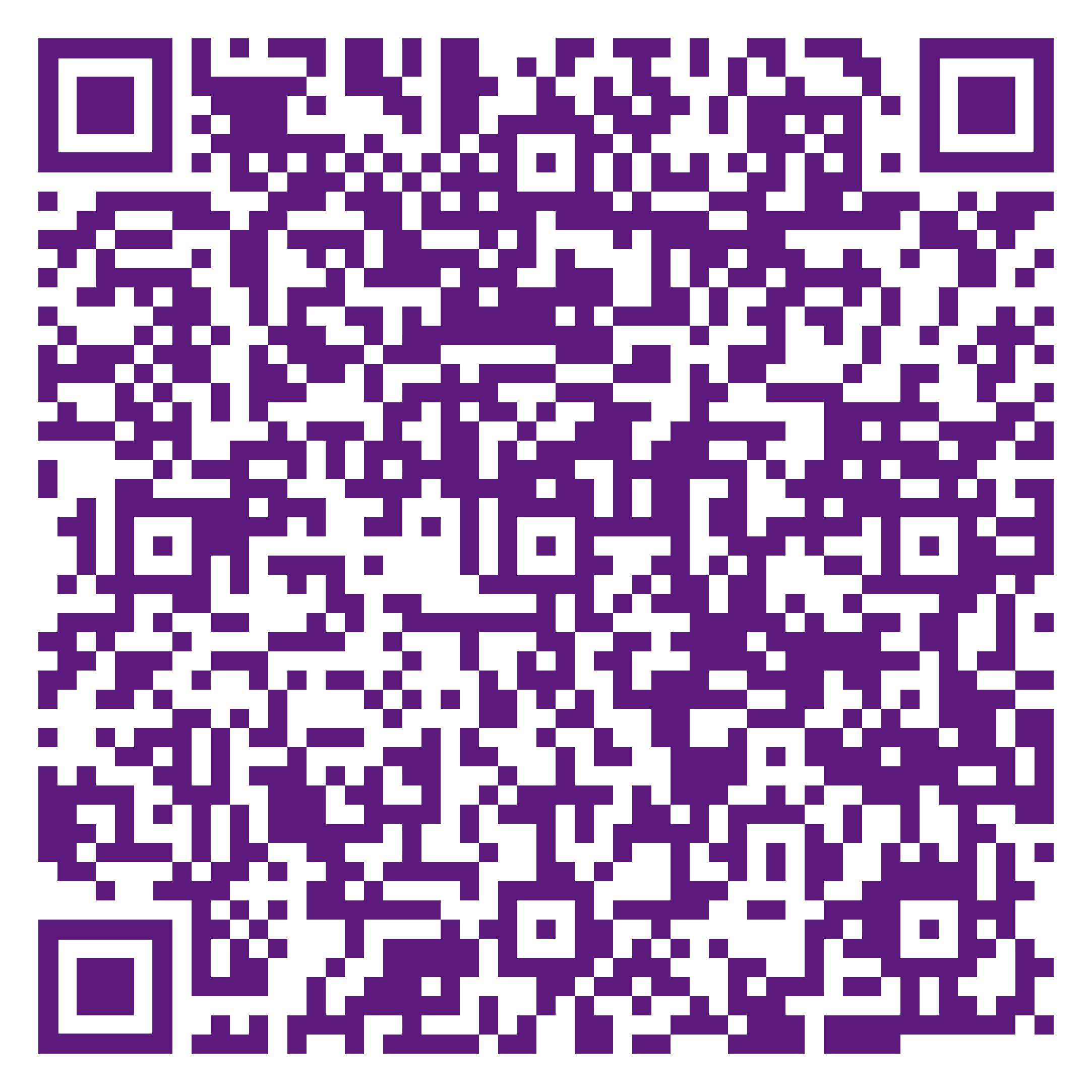 All the recommendations, along with the full study which also explores female-sex physiology, work-life balance, and career progression for women paramedics, can be accessed here - or via this QR code.
Author: Emily Wynch
Master of Professional Practice, Extended Care Paramedic, and
Senior Degree Lecturer (Wellington Free Ambulance and Whitireia | WelTec).
Contact: [email protected]
The International Action Hub has collaborated with the Health, Safety & Well-being Action Hub to host the first of a series of webinars on "Women, Technology, Privacy and Safety" This first seminar will take place online on 30 September noon with a special focus on the use of menstruation apps. All members and member organisations are encouraged to join. Also, please circulate the news of this event. Tickets are free and available on Humanitix: https://events.humanitix.com/women-tech-privacy-and-safety-webinar-1
Be sure to register for the online event set for 23 September, 12 p.m. (noon) - 1 p.m. Jan Logie, Strategic Funding Lead for Women at Clare Foundation, will interview Dame Ranjna Patel DNZM QSM JP.
Dame Patel is the founder of the Gandhi Nivas family violence prevention programme in New Zealand, and she was also a co-founder and director of Tāmaki Health, a primary healthcare group -- the largest health provider for high-needs, Pacific Island and Māori audiences. She was recently recognised in the King Birthday Honours for services to ethnic communities, health and family violence prevention.
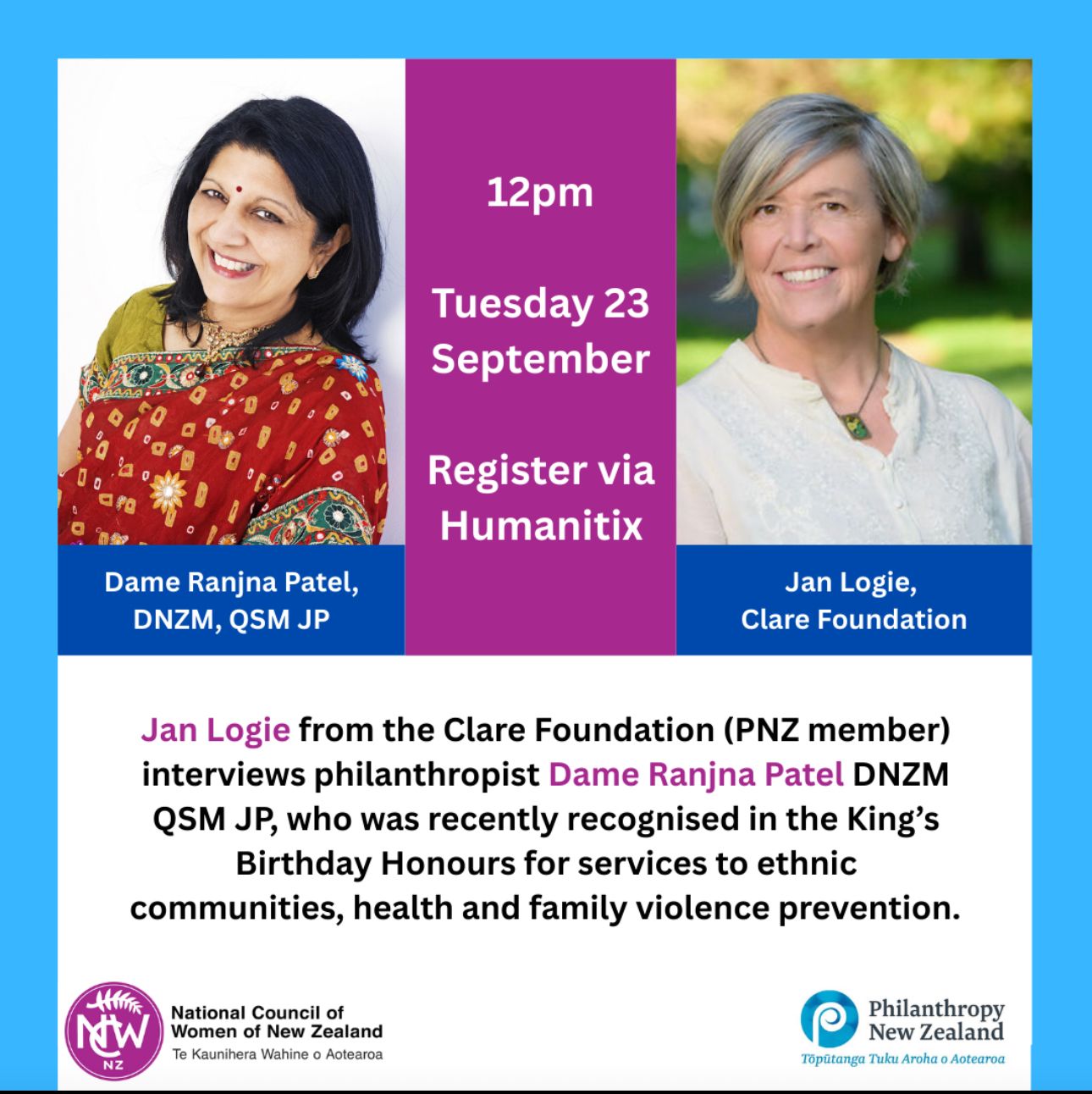
Before joining the Clare Foundation, Jan Logie was a member of the New Zealand House of Representatives. She also served as Parliamentary Under-Secretary for Justice. She previously worked for Women's Refuge, the Hutt Valley Youth Health Service, the New Zealand YWCA and the New Zealand Centre for Sustainable Cities.
The event is co-sponsored by Philanthropy New Zealand (PNZ) and the National Council of Women of New Zealand. Entry is free.
Register today at Humanitix: https://events.humanitix.com/a-conversation-with-dame-ranjna-patel-dnzm-qsm-jp
PWC has been working at pace this calendar year coordinating the NWCNZ submissions process: researching opportunities, distributing Action Items, editing and lodging written submissions, and supporting oral submissions. As I type this update the 20th written submission for 2025 is in progress, with the Education Action Hub responding to the Proposal to replace NCEA. NCWNZ submissions are made publically available on our website, see Submissions - National Council of Women of New Zealand.
In addition, our oral submissions will total seven. The very recent three are:
- the Economic Independence Action Hub on the People's Select Committee on Pay Equity (see separate article by Rosemary Du Plessis);
- the Safety Health and Wellbeing Action Hub on the Healthy Future (Pae Ora Amendment Bill (S25.19 on the website), and
- the Online Safety Coalition (convened by NCWNZ) on the Inquiry into the harm young New Zealanders encounter online (see S25.17 on the website).
In May, PWC designed and facilitated Submission Writing training, with two online workshops each of two hours duration. The design and delivery team were Julie Thomas, Bernice Williams, Nicky Newton, Beryl Anderson, Amandine Chabier and Mathilde Jaulin. Katie Thomas presented on behalf of the Board. There were approximately twelve participants and the feedback received was positive. After the workshops participants received the resources including writing guides, PowerPoint presentation summaries and a shortened voice-over recording of slides on the submissions process. Two participants have continued with a plan to develop as writers and others found it a useful refresher. If you are a member with an interest in writing submissions, you can request access to relevant resources through PWC.
We are also fortunate to have Riikka Anderson join the PWC team. Riikka is the General Manager of the YMCA Hamilton and is passionate about gender equity and diversity. She has been a member of the NCWNZ Hamilton branch for several years including as Branch Secretary and is on the Online Safety Coalition.
Please don't hesitate to contact me at [email protected] with any questions or suggestions.
Julie Thomas
PWC Convenor
Resources to share in meetings and with your networks
Are women better leaders than men? Watch the "What in the World podcast", BBC World Service (14 minutes) and debate the following questions: Is there any evidence that a female leader can change a country for the better? Do women make better politicians. Or is it all based on stereotypes?
Have you seen the statement from NCWNZ Facebook page on the Pay Equity issue? Also, while you're there, watch this short reel on Facebook from the Public Service Association. They interviewed former Governor General Dame Silvia Cartwright at the People’s Select committee on Pay Equity and asked her view on the retrospective nature of the Equal Pay Amendment Act. Standing in front of a portrait of Kate Sheppard, she does not pull any punches! Check it out at https://www.facebook.com/reel/1468009721009035
Between 1939 and 1948, over 1,000 New Zealand women served as nurses in war zones and occupied countries. Like the men who served as soldiers during the same period, some of these women’s voices were recorded by a Mobile Broadcasting Unit and sent back to New Zealand on discs to be played on the radio here. Some sent back messages to loved ones, while others gave detailed interviews about their wartime experiences. Listen to "The Girls Overseas: Recordings of New Zealand nurses 1940-1946" on Ngā Taonga Sound & Vision here.
The latest biannual Gender Attitudes Survey results are due to be released in September. Keep an eye on the Gender Equal NZ site or for NCWNZ social channels for the latest information on the launch of the survey results.
Readings to consider
Public consultation is now live on the draft NZ Disability Strategy. Read more about this in the Press Release on the Beehive website. Consultation runs until 28 September. Here is the link to consultation and further information: Refresh of the New Zealand Disability Strategy | Whaikaha - Ministry of Disabled People.
Anamul Haque, "Weaving Resilience: The Imperative of Women's Empowerment in Pacific Island Countries" (August 13, 2025). Free download at SSRN: https://ssrn.com/abstract=5390997
The Pacific Island Countries (PICs) face significant developmental challenges, including the disproportionate impacts of climate change. This article examines the critical role of women's empowerment and gender equality as a strategic imperative for building resilient and sustainable societies in the region. It explores the historical context of women's roles, the enduring challenges they face in political participation, economic access, and healthcare, and their unique vulnerabilities to issues like gender-based violence and climate change. The article further highlights women's transformative leadership through case studies in politics and grassroots initiatives, while also analyzing their contributions to the Blue Economy and the potential of digital empowerment. By strengthening gender-responsive policies and fostering regional collaboration, the empowerment of women is shown to be a foundational element for a more equitable and prosperous future for the Pacific.
Anamul Haque is from Jahangirnagar University, World Health Organization (WHO) - UNDP/UNFPA/UNICEF/WHO/World Bank Special Programme of Research, Development and Research Training in Human Reproduction.
Stories to celebrate
In June 2003, New Zealand became the first country to decriminalise sex work. Dr Cheryl Ware tells this story in Untold Intimacies; A History of Sex Work in Aotearoa, 1978-2008 (Auckland University Press, 2025). "Drawing on new and archival interviews, the story is told through the first-hand experiences of sex workers themselves – how they dealt with police, violence and health risks, and how they organised to change their world." Listen to Dr Ware's interview on RNZ Nights online. Available on the AUP website at https://aucklanduniversitypress.co.nz/untold-intimacies/

The Women Deliver 2026 Conference (WD2026) will take place from 27–30 April 2026. The conference will be regionally hosted for the first time — by the Oceanic Pacific — in Narrm (Melbourne), Australia, on the unceded lands of the Wurundjeri Woi Wurrung Peoples of the Kulin Nation. Read more about this conference here - and apply for exhibition space soon.
Dates to note for September and October 2025
5 Sept - International Day of Charity
7 Sept - International Day of Clean Air for Blue Skies
8 Sept - International Literacy Day, UNESCO
18 Sept - International Equal Pay Day
19 Sept - NZ Suffrage Day - see the NCWNZ News/Events page
21 Sept - International Day of Peace
23 Sept - Webinar: conversation with Dame Ranjna Patel DNZM, QSM, JP at 12 pm noon - register https://events.humanitix.com/a-conversation-with-dame-ranjna-patel-dnzm-qsm-jp
30 Sept - Online seminar "Women, Technology, Privacy and Safety" at 12 pm noon - register https://events.humanitix.com/women-tech-privacy-and-safety-webinar-1
31 Oct - Deadline for applying for Graduate women Wellington - Masters by Thesis Scholarship; $4000 for women facing financial hardship working on their master's degree at Te Herenga Waka | Victoria University of Wellington - see GWNZ website.
1 Oct - International Day of Older Persons
2 Oct - International Day of Non-Violence
11 Oct - International Day of the Girl Child
15 Oct - International Day of Rural Women
16 Oct - World Food Day, FAO
17 Oct - International Day for the Eradication of Poverty
27 Oct - Labour Day - public holiday in New Zealand
29 Oct - International Day of Care and Support, ILO
Quotation to ponder
"All that you touch, you change. All that you change, changes you."
Octavia E. Butler, Parable of the Sower
(Grand Central Pub., 1993): 6.
Whakataukī to share
He rau ringa e oti ai.
Many hands make light work.
This saying encourages people to work together. It can be used to invite people to participate or to acknowledge the effort and work of many.
-=-=--=-=-
The Circular is the official newsletter of The National Council of Women of New Zealand. Archived copies are available at the National Library of New Zealand (ISSN 2815-8644).
Do you have some news to share? Please send an email to the newsletter managing editor, Randolph Hollingsworth, at [email protected].