
 |
|
May-June 2025, Issue 652 | Action Hubs | News | GenderEqual NZ | |
Table of Contents
 |
| Suzanne Manning NCWNZ President |
President's kōrero
Ehara taku toa i te toa takitahi, engari he toa takitini.
My strength is not mine alone, it comes from the collective.
Kia ora e hoa mā – greetings to all friends and colleagues working together within NCWNZ for the greater good.
Maybe that sounds idealist, but let’s face it, that’s who we are as an organisation. “Practical dreamers” who have a vision for the future and then look at the detail of how we can make it happen. The “we” is very important, because our strength is from our collective action, from belonging to the organisation. (Shameless plug here – have you renewed your membership for this year?)
While it sounds easy, those who lead and work within groups know it is anything but that. Acting collectively rather than as an individual is not just intuitive. It takes motivation, reflection and practice, and training can help. The Board have been considering how we can strengthen collaborative working within NCWNZ, so we can genuinely say everything we do comes from the collective. Working together as Board, branches and action hubs, interactions between these groups, collaborations with external organisations, and involvement in both formal and informal coalitions – these ways of working are our strengths and also our challenges.
I would like to invite all members to take a moment to reflect on how you work within NCWNZ, and whether your approach fosters or hinders greater collaboration. Yes, I know that the work falls to a few, and the ‘others’ should pull their weight too (I’ve been in volunteer groups all my life, I know what it’s like). But everyone is on their own journey and while we can support others, we can only take responsibility for our own actions and behaviour changes.
Collaboration is easier when we know and connect with each other, so I am delighted to announce that there will be an in-person conference in Auckland around September 2026. Thank you to Hibiscus Coast branch for offering to host this conference, with Manukau and Auckland branches supporting where they can. This means you have more than a year for fundraising or saving to make sure you can be there for the Big Event. We look forward to a fabulous opportunity to meet with you all, e hoa mā.
Suzanne Manning
President
Equal Pay Act changes and teacher aides
English as a Second Language (ESL) teacher aides belong to the cohort of social services employees whose applications for pay claims have been curtailed by the recent Equal Pay Act. As most teacher-aides are women, they have little comparison with men to gauge their work status. They are often on contract pay, dependent on income from ESL student funding, and within school hierarchies have tenuous job security.
However, teacher aides (TAs) carry out significant functions in schools. Within classrooms, they support migrants, refugees and international students, by rewording teacher instructions and content to avoid student misalignment. With TA help, student academic results can be encouraged and boosted, as in a North Island study when an international student became Dux Litteratum (McCarthy, 2020). Multilingual TAs can transfer information into students’ first language as well as their second, facilitating content and linguistic transfer (Siilata & Barkuizen, 2004). TAs also provide invaluable social, emotional and cross-cultural support for the students they are allocated to, particularly when newcomers. They can give invaluable advice to students in navigating educational structures and social networks, whether it is to approach a teacher, counsellor or administrator. Their work is a fine balance between listening and guiding and encouraging student resilience.
TAs help students navigate through a variety of student communication problems such as learning to understand teacher accents, listen and copy at a teacher’s vocal pace, or understand teachers’ writing. Students can feel swamped by large classes, and appreciate smaller one-to-one help, especially in the early stages. New ESL students can find large class discussion difficult, have to practice how to approach teachers verbally, and often need to cope with failing often for the first time in their lives.
TAs' relationships with mainstream teachers needs to be carefully negotiated between helping the teacher communicate with the student and vice versa. Mainstream teachers could perceive that TAs as having limited ability to speak English, as well as limited knowledge of English and other specialist subjects. If TAs do have specialised knowledge in a subject, they need to carefully watch their role and input boundaries to avoid resentment from staff or students (Stacey, Harvey, & Richards, 2013).
The role of TAs can be a stepping stone for adult migrant women, particularly those with multiple languages. They might become TAs initially but once used to the New Zealand language and school system, they can become teachers and take on positions of responsibility within the wider school.
The Equal Pay Act (see announcement by Hon Brooke Van Velden, 6 May 2025) has not only curtailed the opportunity of TAs to increase their pay over time but increased the likelihood of women avoiding the role, so that in turn, school systems, mainstream teachers, and ESL students overall are damaged by the lack of government support.
References
- McCarthy, G. A. (2020). Responses to linguistic and cultural diversity in New Zealand state secondary schools: A qualitative study. (Doctoral thesis, Massey University, Palmerston North, New Zealand), Retrieved from http://hdl.handle.net/10179/15371
- Siilata, R., & Barkuizen, G. (2004). Pasifika students' perceptions of their L1 maintenance at home and school: Language to climb a coconut tree. The TESOL Journal, 12, 22-38.
- Stacey, K., Harvey, S., & Richards, H. (2013). Teachers working with ESOL paraprofessionals in a secondary context: Examining supervision. Teaching and Teacher Education, 36, 55-67. DOI: 10.1016/j.tate.2013.07.002
By
Geraldine Anne McCarthy
Chart: 2025 King’s Birthday honours
188 people received honours in the King’s Birthday list. Again, as with the 2024 King's Birthday list, men received more awards than women: this year, 53% (100) compared with 47% (88). Women received more awards than men in two categories: Members of the New Zealand Order of Merit (MNZM) and King's Service Medal (KSM). There were more awards for arts related activities 17% (34) than sports related ones 13% (25). See the full list at https://www.dpmc.govt.nz/publications/kings-birthday-honours-list-2025.
|
2025 King's Birthday honours |
|||||||
|
Award |
Male |
Mx |
Female |
total |
% Male |
% Mx |
% Female |
|
ONZ + additional / honorary |
0 |
0 |
0 |
0 |
0% |
0% |
0% |
|
GNZM / DNZM / KNZM / hon |
3 |
0 |
3 |
6 |
50% |
0% |
50% |
|
CNZM + honorary member |
9 |
0 |
4 |
13 |
69% |
0% |
31% |
|
ONZM + honorary member |
27 |
0 |
17 |
44 |
61% |
0% |
39% |
|
MNZM + honorary member |
33 |
0 |
34 |
67 |
49% |
0% |
51% |
|
KSO |
5 |
0 |
0 |
5 |
100% |
0% |
0% |
|
KSM + honorary member |
23 |
0 |
30 | 53 | 43% | 0% | 57% |
|
DSD |
0 |
0 |
0 |
0 |
0% |
0% |
0% |
|
Total |
100 |
0 |
58 |
130 |
55% |
0% |
45% |
|
sport-related |
25 |
||||||
|
arts-related |
34 |
||||||
|
ONZ to MNZM |
72 |
0 |
58 |
130 |
55% |
0% |
45% |
|
KSO & KSM |
28 |
0 |
30 |
58 |
48% |
0% |
52% |
Congratulations to all the winners, especially the following who were acknowledged for their contribution to women:
-
ONZM - Officers of the New Zealand Order of Merit
- Ms Sophie Frances Monique DEVINE, of Christchurch, for services to cricket. Sophie is the daughter of Christchurch Branch member Penny Devine.
- Dr Celia Jane Devenish GIDDINGS, of Fairlie, for services to women's health and education. Dr Devenish has contributed to obstetrics and gynaecology for more than 40 years as a doctor, educator, and a member of the Royal Australian and New Zealand College of Obstetrics and Gynaecologists.
- Mrs Gillian Christine NAYLOR, of Alexandra, for services to rural communities, particularly women. Mrs Naylor was National President of Rural Women New Zealand (RWNZ) from 2020 to 2024, and was awarded Life Membership in 2024.
-
MNZM - Members of the New Zealand Order of Merit
- Ms Suzanne Michelle MCFADDEN, of Auckland. For services to sports journalism and women. Ms McFadden is an award-winning journalist who has contributed to the advancement of media coverage of women’s sport.
- Mrs Victoria Mary Mee, of Auckland. For services to women and business. Mrs Mee has been involved with Business and Professional Women New Zealand (BPWNZ) since 2009, initially through the Franklin branch. She is a Past President of BPWNZ (2014 to 2017) and has worked on policy development in conjunction with other countries to present to the United Nations General Assembly. Vicky Mee serves on the NCWNZ Economic Independence Action Hub.
- Ms Annie Burma Teina Tangata Esita SCOON, of Palmerston North, for services to softball and the Pacific community. Ms Scoon is a former member of Manawatū-Whanganui Women's PACIFICA Inc.
-
KSM - King's Service Medal
- Mrs Tina May BARRETT, JP, of Rotorua, for services to the community. Mrs Barrett has served her community for 25 years through the Māori Women’s Welfare League, her local church and as a Justice of the Peace. She was appointed a Life Member of MWWL in 2014.
- Mrs Lily COLEMAN, of Kaikohe, for services to the community and sport. Mrs Coleman has been involved with the Kaikohe Rural Women’s Division from 1966 to 2023, including as President in 1969/1970.
- Mrs Luen Nanette HOANI, of Auckland, for services to Māori language education. Mrs Hoani was involved with North Shore Māori Women’s Welfare League for many years until its closure.
- Mrs Annie Elizabeth MCCRACKEN, JP, of Invercargill, for services to the community. Mrs McCracken has had a varied involvement with community organisations, outdoor recreation and local government in Southland, including as a very active member of the NCWNZ Southland Branch.
- Mrs Berry Jane RANGI, of Napier, for services to the community, particularly Pacific peoples. Mrs Rangi co-founded Tiare Ahuriri in 2008, the Napier branch of PACIFICA Inc., and was awarded a PACIFICA Inc. Service Medal for her contributions to the organisation.
Information about nominating someone for an honour is available on the Department of the Prime Minister and Cabinet website at https://www.dpmc.govt.nz/our-programmes/new-zealand-royal-honours/make-nomination. Nomination forms are accepted throughout the year, but the processing and consideration of nominations is likely to take at least six months prior to the announcement of an honours list at King's Birthday or New Year.
By
Beryl Anderson ONZM
Messages from NCWNZ interns Amandine and Mathilde
Kia ora koutou, Bonjour à toutes,
Well… here I am, writing this message on my very last day as an intern at the National Council of Women of New Zealand.
I arrived in New Zealand in mid-January, and I’m now heading to New York for a new internship in the field of peacekeeping operations. Thank you all so much for welcoming me here. This internship has been an extraordinary learning experience.
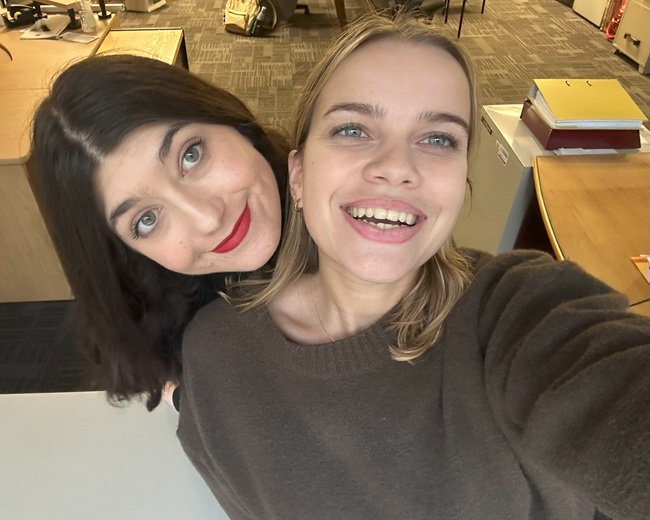 NCWNZ Interns (l-r) Mathilde Jaulin and Amandine Chabrier
I came here wanting to learn more about women’s rights; and I’ve learned far more than I ever could have hoped for. From education (the Relationships and Sexuality Education programme), to health (conversations on menopause in Parliament, the funding of the Cezarette contraceptive pill...), to influence and leadership (Stalking and harassment bill, online safety toolkit..), to international and environmental issues (Women at the Table events on Climate Change, Artificial Intelligence, CEDAW report…), and economic justice (employment remuneration disclosure…); I’ve had the chance to dive into it all.
I came to understand the role of NGOs in political affairs; and I’ve seen it firsthand. From advocacy through submissions, to symbolic and strategic presence at embassy events (British High Commission, French Embassy, Irish Embassy...), from NCWNZ-led initiatives to counterbalance government action (petitions, letters to ministries, public campaigns...) to collaboration efforts (Gender Attitude Survey, International Caucus of Women, roundtables on the Women, Peace and Security agenda); I’ve seen just how hard the NCWNZ, like so many other NGOs, works to defend a cause close to its heart.
I also wanted to learn more about the Pacific: and I did. Living in Aotearoa New Zealand for four months, I discovered an incredibly rich and compelling culture. I’ve grown more curious about the region’s history, the relationships between states, indigenous peoples (including through a meeting with the Australian First Nations High Commissioner), and civil society. Human rights protection and the recognition of minorities have truly shaped the way I’ve seen things here. One thing is for sure: I’ve been deeply impressed by the courage of New Zealanders and their passion for participating in public and political life.
I had the privilege of being here during the wave of submissions against the Treaty of Waitangi Principles Bill, and I was moved by the sheer scale of civic engagement, a powerful form of resistance. I was also here during the current pay equity reform crisis, which shows how even a strong democracy can be challenged depending on the political context. But no matter what, despite the obstacles there is truly nothing that stops you, Kiwi women. Your resilience, creativity, and determination will stay with me forever.
As a young woman aspiring to a diplomatic career, you have only strengthened my hope in the possibility of building a better world ,and deepened my belief that gender equality must be treated as a global priority. Women’s rights are human rights. And I’m committed to continuing this kaupapa, including by putting men and boys on the agenda too. That already starts with the fact that I chose a male professor to supervise my mémoire, a way of bringing a man into this work!
Thank you, truly, for everything. Merci pour tout.
Warmest wishes.
I yield the floor to Mathilde.
Amandine
Hello everyone,
My name is Mathilde Jaulin, and I’ve recently joined the National Council of Women of New Zealand as the new Board Administrator. I’ve come all the way from France and will be with you until the end of September.
I’m currently completing a Master’s degree in Global Politics, and this internship will mark the final step in my programme. I’m really excited to begin this new adventure in New Zealand and to learn more about women’s rights, gender equality, and this part of the world that’s so far from my own. I am also writing a final research paper for my university which will have a particular focus on environmental issues, so I will closely work with the climate action hub on this purpose.
I was lucky to have a handover with Amandine before her big move to New York, and her guidance has been incredibly helpful in getting me started.
Looking forward to working with you all!
Best regards,
Mathilde Jaulin
Board Administrator (new intern)
Women in local government - insights from a community board member
NCWNZ Ōtautahi Christchurch Branch created NEW (Network of Elected Women), a group that we invite to Kate Sheppard House every year for a get together and we collaborate with on various other events. We asked one of the NEW members to write about being a Community Board member, to encourage women to stand for local government roles. Jackie has five terms under her belt on her community board in North Canterbury, two of them as chair, and is likely to stand for a sixth term. She offers her story to help persuade more women to become elected members.
Why did you join your community board?
It’s a question I am often asked by friends and acquaintances who either know nothing about our local government system (and that is a large number) or cannot understand why I would put myself through countless meetings for very little reward.
I guess there has to be a particular personality type that is attracted to reading copious documents, wading through the sludge of bureaucracy and paperwork that slows everything down. For me, it’s about the bigger picture. It’s about society, history, geography and the desire to make your place and the future better.
I was involved in my home town on a number of committees before I went on the community board and I guess I was shoulder tapped by someone who was running for Mayor because of hat involvement. My first realisation that there was such a thing as a community board came when I wanted to put up some artwork and had to liaise with them. The board of elderly men I encountered certainly wasn’t something I would have considered joining on first sight.
But with retirement from teaching looming, I wanted something to do -- and working for the community seemed an obvious choice. A community I knew I would be known in and so had the potential to get votes. A community I was already involved with in many ways.
I’ve always liked change and unpredictability and the nervous excitement of standing for election sort of appealed to my wild side. It was also incredibly scary and is the worst part of the whole business. But being part of decision making in your own patch certainly appealed to me, as well as working as part of a team and it still does after all this time.
What does being on a community board entail?
Organising signage, sites and erection according to quite picky rules is a hard start to your time as an elected member. And some people spend a lot to get the same result as others who spend nothing and do nothing. Frustrating but all part of the game.
The induction efforts of my Council certainly paved the way well to understanding how a Council works and the far-reaching impact that those decisions made by boards and council have on the local population.
Community boards are the bottom rung of the ladder, the grass roots of local government and sometimes it does feel as if we are just rubber-stamping decisions made already by the Council. Fortunately for me the huge impact of the 2010 and 2011 quakes produced far more important and life changing decisions to deliberate on than a normal term would have and the job became far more meaningful than it would have been otherwise.
But during more mundane times there are still exciting opportunities offered to those who put themselves forward to serve their community. Imagine having to decide how to spend half a million dollars from a bequest from a local resident or making decisions about the landscaping of the town entrances and discussing the merits of local groups applying to the Board for funding. Those were just three items on our last meeting agenda.
What else would you say to women considering running for local government?
If you care about your local environment and would enjoy having input to local decision making, put your name forward. Don’t leave it all to the men in our society to make those important decisions.
*****
Nominations for 2025 local government elections are open 4 July to 1 August 2025. If you’re interested in standing, find out more about what’s involved by talking to your local community board or visiting https://www.votelocal.co.nz/information-for-candidates/.
By
Louise Tapper
NCWNZ Past President Christine Low
This is the fourth of a series of articles focusing on the NCWNZ Past Presidents Oral History Project with interviews by Carol Dawber in 2016. See the introductory article in The Circular at "NCWNZ Past Presidents oral history interviews from 2016" (August 2024).
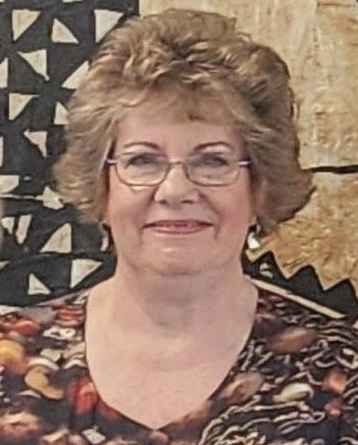 This month, we honour Christine Low, who served as NCWNZ President from 2004 to 2008. Christine led with warmth, wisdom, and a strong work ethic—balancing a full-time career while championing pay equity, practical advocacy, and international engagement. Her quiet yet purposeful leadership helped the organisation navigate a fast-changing world, with a lasting emphasis on enabling others to lead.
Born in Christchurch, Christine grew up in the 1960s in a household where service and education were valued. Her father, Peter, spent nearly 40 years working in printing, while her mother, Janet, was a teacher. Christine attended Sacred Heart Girls’ College, where she was influenced by strong female teachers—many of whom had been missionaries or had lived through war. These early role models taught her that women could aim high. Outside of school, she was active in her parish and local community; and took early leadership roles in youth groups and alumnae organisations. Her strong Catholic faith remained a guiding force throughout her life, shaping her values and approach to service.
After finishing a secretarial course at Christchurch Polytech, Christine entered the workforce through Canterbury Customs Agency. She remained there, through its transition to Anglo Pacific; for 35 years. Eventually becoming office manager and handling customs documentation, personnel support, and workflow management. Christine was known for her reliability, diplomacy, and sense of humour. She mentored younger staff and was a trusted point of contact between senior management and frontline teams. Despite being one of the few women in a senior role for many years, she earned deep respect across the organisation. In a mostly male environment, she navigated hierarchy, shifting technologies, and workplace change with resilience and professionalism.
Christine first encountered NCWNZ through the Sacred Heart Past Pupils’ Association and became a delegate at just 21. She recalled her awe watching experienced members speak up at meetings. Over time, she became a branch president and rose through national roles. Her election as President in 2004 marked a first; she held the position while working full-time outside of Wellington, showing that women with careers could still take on leadership roles in voluntary organisations.
As President, Christine helped raise NCWNZ’s national profile, embracing a more visible and media-savvy approach to advocacy. She actively gave interviews and wrote public commentaries on issues such as gender equity, childcare access, and violence against women. One of her proudest moments was securing funding to reinstate Plunket Line after it had been cut, describing the campaign as a "turning point in how NCW was seen as a voice of families." She also represented New Zealand at international conferences, including sessions in Morocco on violence against women and Ukraine on women's roles in governance. In Indonesia, she attended a forum focused on human trafficking in the Asia-Pacific, noting, "It wasn't just a learning moment—it was a moment to bring our experiences into the global space."
Christine also prioritised deeper collaboration with organisations across sectors, working closely with UNIFEM, the YWCA, the Prostitutes’ Collective, and Grey Power. She said, "If we're going to talk about real equity, we need everyone at the table—those who are seen and those who are not." She worked on submissions addressing climate refugees, trafficking, and pay equity.
Her leadership was shaped by teamwork, inclusion, and a belief in developing others. Christine was a passionate mentor who made time for emerging leaders at all levels of the organisation. She served on several NCWNZ committees before her presidency, including finance, membership, and education, and played a critical role in building up the Christchurch branch after a period of declining participation. During her national term, she helped modernise internal communication systems, supported regional forums, and introduced clearer pathways for younger women to participate in governance. "You can’t just tell women to step up," she said. "You have to make sure there’s space for them to be heard, supported, and taken seriously."
Christine was also instrumental in developing and supporting NCWNZ’s involvement with CEDAW (the UN Convention on the Elimination of All Forms of Discrimination Against Women). She contributed to New Zealand's alternate reports and helped ensure the voices of local communities were reflected in global human rights dialogues. Her ability to combine global awareness with practical advocacy at home made her a valued leader within both NCWNZ and wider civic circles. "I always held myself up as an example of what could happen with the supportive environment that was at NCW," she said. "If somebody wanted to take on a role, they would be supported and come through."
Christine led NCWNZ’s efforts on major advocacy campaigns - including Section 59 reform (the anti-smacking bill), the reinstatement of Plunket Line funding, and support for caregivers and grandparents raising grandchildren. She wasn’t afraid to speak out about uncomfortable truths. "We still haven’t got equal pay," she said. "But people think we’ve got legislation, so we don’t need to do anything."
She also acknowledged the challenges of keeping NCWNZ relevant in an age of shifting engagement and volunteer burnout. She recognised that many women faced time poverty due to paid work, caregiving, and family responsibilities. "Volunteering looks different now," she reflected. "But the heart of it - the desire to change things for the better - is still there." Christine championed shorter, more flexible volunteering roles, hybrid meetings, and regional input into national policy decisions. She was determined that NCWNZ remain a place where women from all walks of life could contribute meaningfully, even if they couldn’t always be in the room. She encouraged new ways of connecting, more space for young voices, and ongoing commitment to cross-sector collaboration.
Christine Low’s presidency reminds us that effective leadership often speaks in steady actions rather than grand gestures. Her grounded approach, quiet confidence, and focus on empowering others left a lasting imprint on the organisation and continue to offer a model of purposeful and inclusive advocacy.
~~~~~ ~~~~~ ~~~~~~ ~~~~~~
See also previous articles in this series:
- NCWNZ Past President Barbara Glenie QSO (23 February 2025).
- NCWNZ Past President Janet Hesketh QSM, CNZM (24 September 2024).
- NCWNZ Past President Beryl Jean Anderson ONZM (8 April 2025).
By
Christie Underwood
Some of what's happening at local branches
The Kate Sheppard National Memorial to Women’s Suffrage, in Oxford Terrace, Ōtautahi Christchurch, has at last been entered on the Rārangi Kōrero/New Zealand Heritage List as a Category 1 historic place. The creation of the memorial in 1993 was a true group effort, much like the original nineteenth century suffrage campaign led by Kate Sheppard. In June 1990, 44 women representing many women’s groups and organisations met to discuss how they could celebrate the upcoming centenary. One outcome was the establishment of the Kate Sheppard Memorial Appeal Committee, which then selected South Canterbury artist, Margriet Windhausen to create the memorial. The funding for the memorial was supported by a public campaign at the time.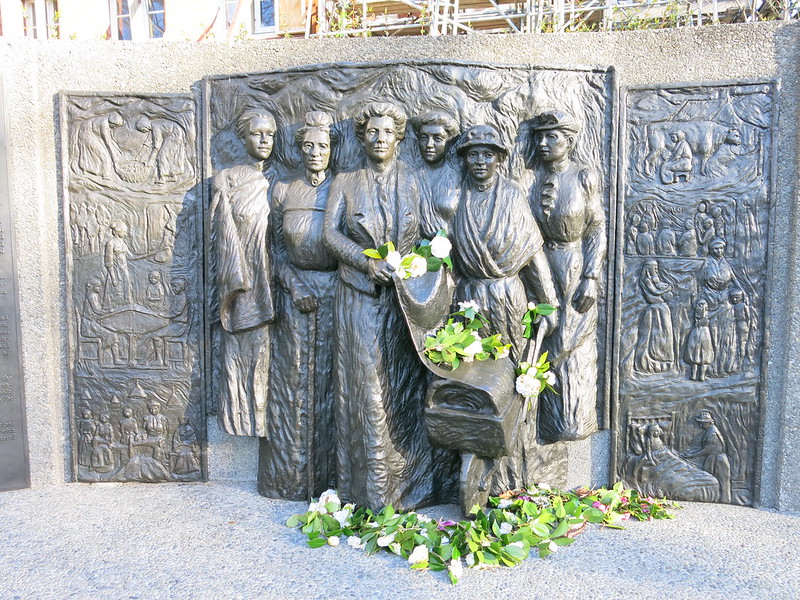
The sculpture depicts a life-sized Kate Sheppard, flanked by five other influential suffragists. These women are:
- Meri Te Tai Mangakāhia, of Taitokerau who requested the vote for women from Te Kotahitanga, the Māori Parliament;
- Amey Daldy, a foundation member of the Auckland W.C.T.U. and president of the Auckland Franchise League;
- Ada Wells, of Christchurch, who campaigned vigorously for equal educational opportunities for girls and women;
- Harriet Morison, of Dunedin, vice president of the Tailoresses’ Union and a powerful advocate for working women; and,
- Helen Nicol, who pioneered the women’s franchise campaign in Dunedin.
The artwork was created for the 1993 commemorations of the achievement of New Zealand women gaining the right to vote one hundred years earlier. NCWNZ Life Member and Ōtautahi Christchurch Branch member, Christine Low, was a member of the original Kate Sheppard Memorial Appeal Committee. The sculpture was unveiled on 19 September 1993, in a special ceremony attended by up to 3000 people.
Heritage New Zealand Pouhere Taonga’s Listing Advisor, Robyn Burgess, was impressed by the number of submissions in favour of the memorial being entered as a List 1 Category. She noted that "people see this as a very significant memorial not only for Christchurch, but for all of Aotearoa New Zealand.” NCWNZ Ōtautahi Christchurch Branch wrote a submission in support of the proposal.
Today, the Kate Sheppard National Memorial to Women’s Suffrage is a place of gathering and reflection. Each year on Suffrage Day, 19 September, our Ōtautahi Christchurch Branch of the National Council of Women holds our celebration commemoration at the memorial. We always lay white camellias at the foot of the memorial each Suffrage Day.
Te Whakaronga Trust (Kate Sheppard National Memorial Site Enhancement Project), a group of women urban designers, landscape architects and lawyers, are currently working to upgrade the site and to make it more visible. Read more about this initiative at Inside Government: https://insidegovernment.co.nz/heritage-recognition-for-kate-sheppard-national-suffrage-memorial/.
By
Louise Tapper
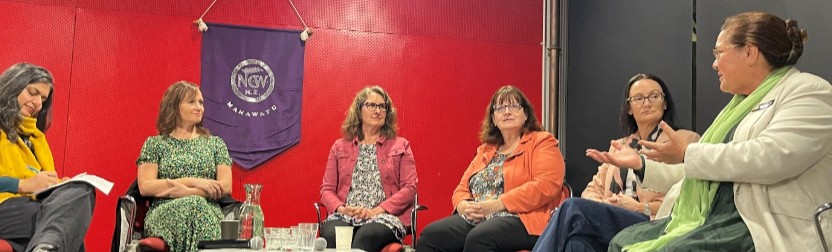
Palmerston North city and regional councillors shared their experiences and wisdom in a session hosted by NCWNZ Manawatu (Palmerston North) branch on May 27th at the Palmerston North City Council Library. The councillors were Deputy Mayor Debi Marshall-Lobb, Lorna Johnson and Karen Naylor from the Palmerston North City Council, with Rachel Keedwell and Fiona Gordon from the regional council, Horizons. The session aimed to reflect on the insights of women councillors, providing valuable guidance for future aspiring women in these roles. The discussion revealed perspectives on gender roles, challenges, and the evolving landscape of women in leadership. Dr. Fatima Junaid moderated the meeting.
Gender Roles and Norms
When asked about the expected gender roles and norms in their positions, the councillors unanimously agreed that they do not perceive themselves as "women councillors". Councillor Fiona emphasized the importance of mindset. However, she acknowledged that people often categorize councillors as either "tough cookies" or "softies," with a generalized perception that women are softies and men are tough cookies. She argued that kindness is a strength, not a weakness, and that empathy enables one to stand firm on issues.
Councillor Rachel highlighted the need for more women in council roles, noting that the ratio of women in the council had increased from 2:10 to 4:14 over three terms. Despite this progress, there are still situations where people assume a man will be leading, which can be uncomfortable when they find a woman chairing the council. Deputy mayor Debi added that the Māori worldview, which holds that men and women have equal mana, is helpful in promoting fair treatment. However, she reinforced that female mayors and councillors across the country are still underrepresented, with only 37% and 30%, respectively.
Challenges Faced by Women Councillors
The conversation then shifted to the challenges faced by women councillors. Whaea Debi discussed the demanding nature of the work, noting that people do not realize it is not a paid, full-time job in the traditional sense. While the Mayor receives a salary, many councillors juggle multiple jobs alongside their council duties. Whaea Debi, a school principal, often negotiates her schedule with the Rector to balance her teaching commitments and council responsibilities. She emphasized that flexible work arrangements, especially post-COVID, are essential for engaging and retaining wahine leaders. Councillor Lorna shared her experience of having to leave her job as a vet due to the difficulty of managing home, professional work, and council duties, and especially in negotiating time off during school holidays. Councillor Karen noted the balancing act of juggling roles of council work while retaining her nursing role one day a week.
Social and Online Challenges
Being in public life also comes with the challenge of dealing with slander and hate. Councillors discussed the impact of online hate, which often targets their appearance rather than their work. This can be taxing for their families and children, who may worry about their mother’s/partner’s safety and well-being. Some councillors have stopped, frozen, or deleted their public social media accounts to avoid the negativity.
Gender Advantages and Policy Changes
On a lighter note, the councillors discussed the perceived gender advantage in multitasking. Whaea Debi added that women are more in touch with their authentic selves, asking authentic questions and caring for each other beyond work. Councillor Rachel mentioned that women have pushed for policies that create a more enabling environment for juggling roles. Councillor Fiona highlighted the positive changes brought about by having more women in leadership, hoping that their presence will function as role models encouraging more women to step forward.
Inclusion, Diversity, and Ageism
The councillors agreed that the current global trend of reducing the focus on diversity, equity, and inclusion (DEI) is regressive. The strides made in using Te Reo and promoting inclusivity are being adversely affected. However, they noted that ageism is not an issue within the council systems and structure.
Advice for Aspiring Women Councillors
Finally, the councillors shared their advice for aspiring women councillors. Councillor Lorna emphasized the importance of more women putting their hands up for the role. She noted that if one quarter of the candidates standing for the role are women, we are likely to have one quarter women representation. Whaea Debi reiterated the importance of role models and fondly recalled her mother and other women who worked in this space before her. This was unanimously supported.
The question of why women do not apply for these roles led to divergent responses. Councillor Karen felt that women did not accept the roles because they lacked self-confidence, but Councillor Lorna disagreed, stating that being a public figure and being targeted on social media can be taxing. Others agreed that men are not often targeted for their appearance or personal qualities. The more vocal a councillor is about minority issues, the more likely they are to become targets of hate.
Whaea Debi called out haters, while Councillor Rachel suggested that it is useful to have a supportive tribe at work, good mentors and to be aware of pitfalls. Despite these challenges, she encouraged aspiring councillors to go for it with an open mind to learn. Councillor Fiona emphasized that knowledge is power and using that power to benefit communities is worth the effort. She concluded that it’ a three-year term, and one can always decide not to go for it next time.
The councillors agreed that visibility, genuine community engagement, and being known for supporting the community are important aspects for being elected to these roles. They encouraged others to pursue these roles and invited aspiring women to connect with current councillors to discuss the realities, joys, and pains of the role, ensuring they make an informed decision.
The councillors' insights offer valuable guidance for future aspiring women councillors, emphasizing the importance of empathy, pragmatism, and the continuous push for inclusivity and diversity. The advice shared by the councillors underscores the significance of self-confidence, mentors and community support in encouraging more women to step into these roles to make a meaningful impact.
By
Fatima Junaid
NCW Southland recently has been privileged to hear speakers from two local agencies.
 At the Annual General Meeting in May, Donagh Booth from Age Concern spoke of her role in Elder Abuse Response. Her work in Invercargill has been an eye opener for her. She did not realise the spread of elder abuse within her home town. Examples she gave listed sons who have never left home, sons with issues who returned home, mothers who have become isolated because friends and other family members would not visit while the son was present.
Behaviour of such sons included not assisting with the household chores like mowing lawns or cleaning out spouting; expecting his laundry to be done, his meals to be cooked, not contributing to the household costs. Donagh’s role, when she becomes aware of such issues is to be a listening ear, offering suggestions of mitigating actions. Sometimes such help was not acted upon but in extreme cases, trespassing the son has been initiated.
Media scams are also a growing concern. And not confined to women. Single elderly are targeted by predatory persons, introducing a friendly element then possibly a romantic one leading to the real intention, asking for money. And thousands of dollars have been and are being scammed in this way. Police are not involved because the perpetrator threatens the victim with blackmail.
 Our speaker in June was Tina McColgan, who is kaiwhakahaere of Southland Help, an agency devoted entirely to victims of sexual abuse.
Tina spoke passionately about the programmes, the clients and the traumas they, both males and females, are dealing with, after experiencing sexual violence. She said that such traumas change lives for ever. Even though a client can successfully work through healing programmes, further down the years an event can trigger such a memory that the person is re-traumatised and in need of care again, usually taking even longer to recover this time.
Tina spoke of the appalling Southland statistics, 30% of referrals are male, 47% children under 13 years of age. Last financial year there were 500 referrals, to date this year it is up to 800, with an average of 80 per month.
As with all Government funded agencies, Southland Help has received advice of non-continuance of funding particularly for MSD and ACC funded programmes.
After two such sobering presentations it was great to be able to celebrate, acknowledging Anne McCracken’s recent award of the KSM (King's Service Medal) and having Branch Life Member Liz Cruickshank presenting Kaye Crowther QSO with her Branch Life Membership badge.
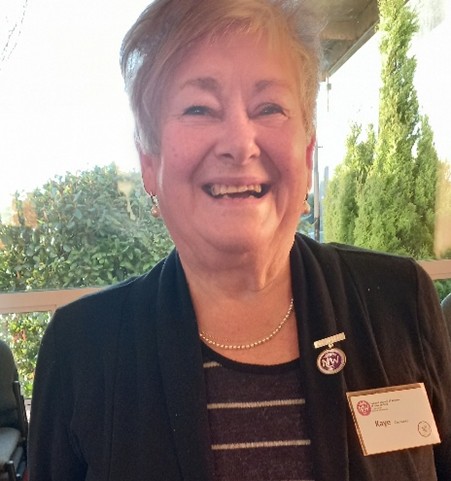 |
| New Branch Life Member, Kaye Crowther QSO |
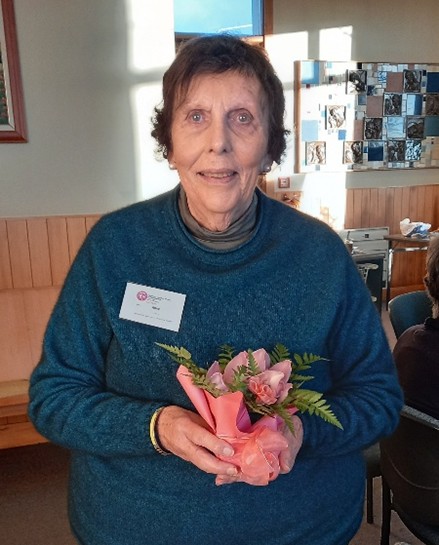 |
| Anne McCracken newly awarded KSM |
By
Margaret Cook
The Wellington Access Radio radio show Conversations with Wāhine are celebrating after their win at the NZ Radio and Podcast Awards in Auckland held on 5 June 2025.
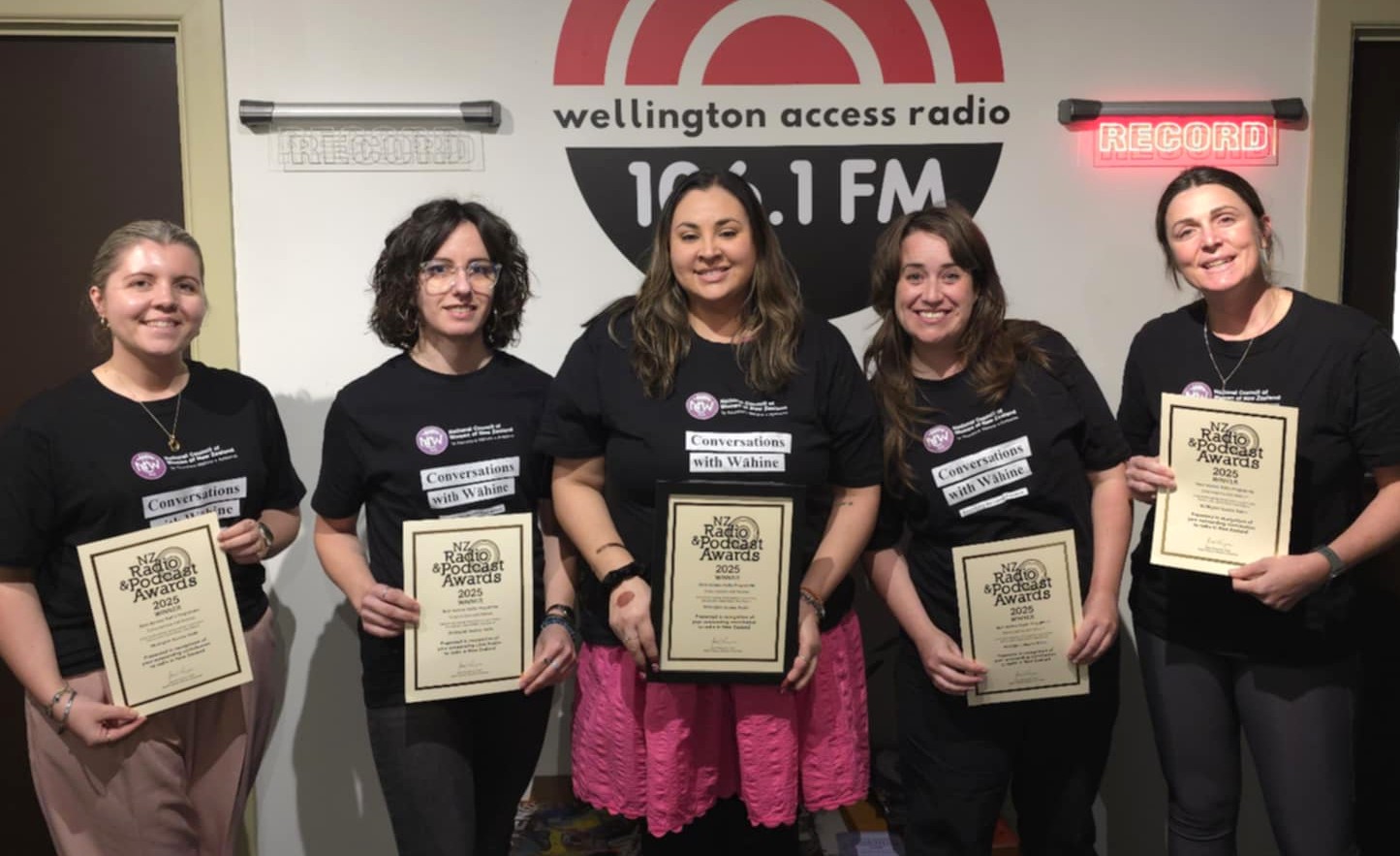
The team picked up the Best Access Radio Programme Award for 2024 at the star-studded event, held at SkyCity Auckland, and attended by radio and podcast hosts and personalities from around Aotearoa.
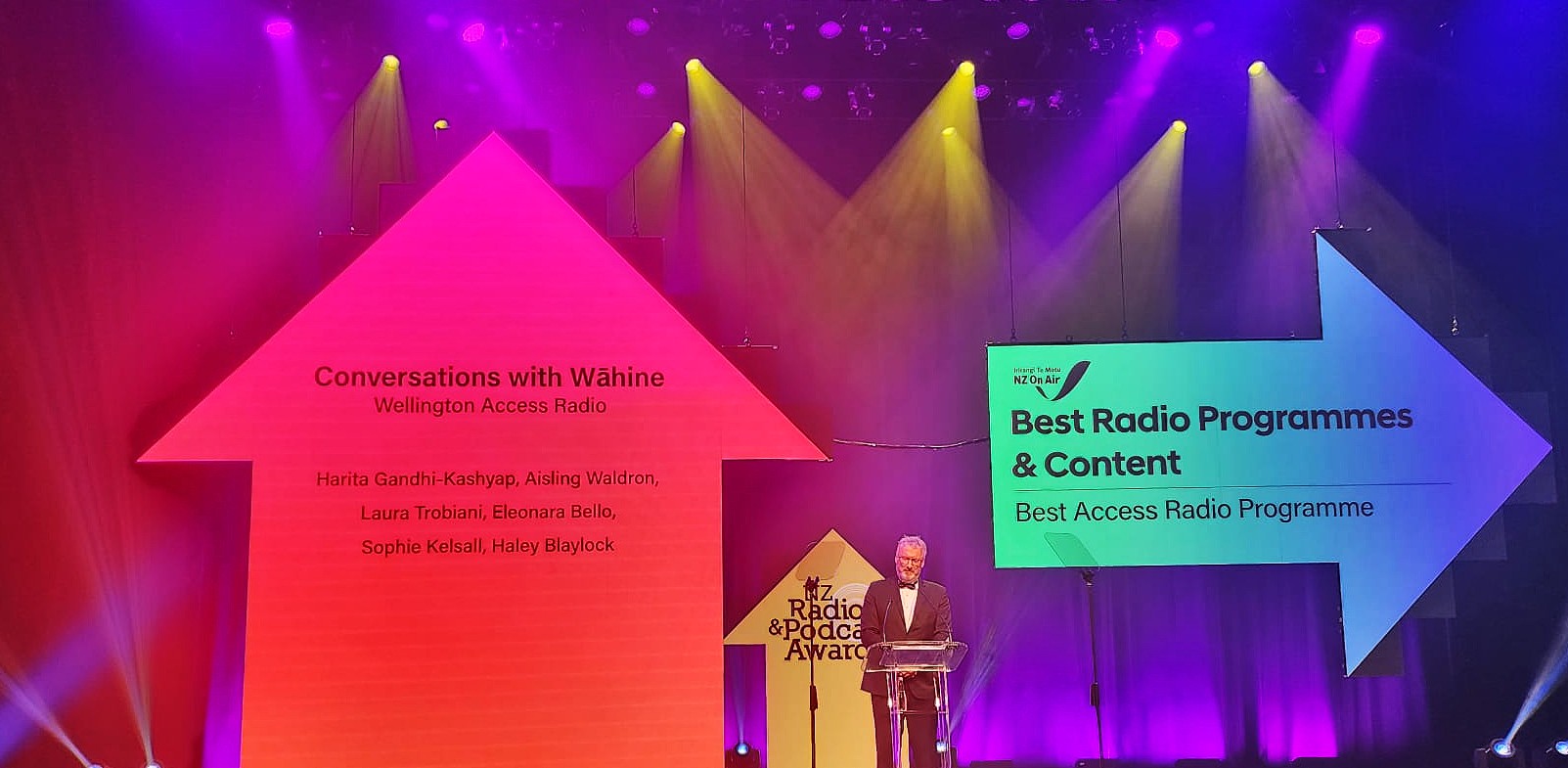
“Just to be a finalist was a huge privilege, but winning was so surreal!” says founder and host Harita Gandhi-Kashyap, who travelled to Auckland for the ceremony. “We put this show together in a volunteer capacity, on top of full time jobs and life, so being recognised for our hobby when none of us come from a radio or journalist background makes the last four years since we started the show so worth it. We don’t really count the time we spend making the show because it’s a passion project for us, but it definitely takes up quite a lot of time finding guests to interview, interviewing a different person for each episode, researching the guest, thinking of the interview questions, liaising with the guest and editing the interview to get it ready to air on radio and podcast, and looking after the social media pages, but it’s all worth it when we think back on all the amazing people we have met through this show.”
Conversations with Wāhine is funded by the Wellington branch of the National Council of Women New Zealand, and is hosted by a group of volunteers that take turns to interview their invited guests. The current co-hosts are Harita Gandhi-Kashyap, Aisling Waldron, Laura Trobiani, Sophie Kelsall, Eleonora Bello and Haley Rolls. The show is created by women, for women (and men who are interested in gender equality), and showcases candid interviews with inspirational wāhine in a huge range of fields. Interviews over the last year have included Jay-jay Feeney, Alok Vaid-Menon, Jess Hong, and Deborah Frances-White (The Guilty Feminist).
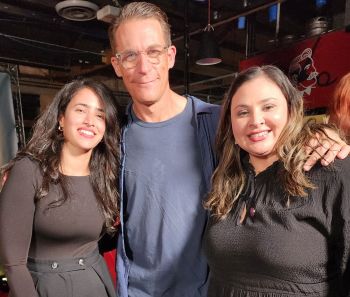 "We are extremely proud of the Conversations with Wāhine team," says Wellington Access Radio Station Manager Tony Kemp. "They produce an important, entertaining, and high-quality show that absolutely deserves this award. It’s so important that the vital work of Access Radio shows are highlighted alongside commercial radio stations." Another Wellington Access Radio show, Tu Ma Tilotilo, was also a nominee in the same category, along with two other New Zealand Access radio shows.
You can listen in Conversations with Wāhine every Sunday at 8pm on Wellington Access Radio 106.1FM or stream via www.accessradio.org.nz Follow Conversations with Wāhine on Facebook, Spotify, YouTube and Instagram.
You can reach the hosts via [email protected].
NCWNZ Action Hubs
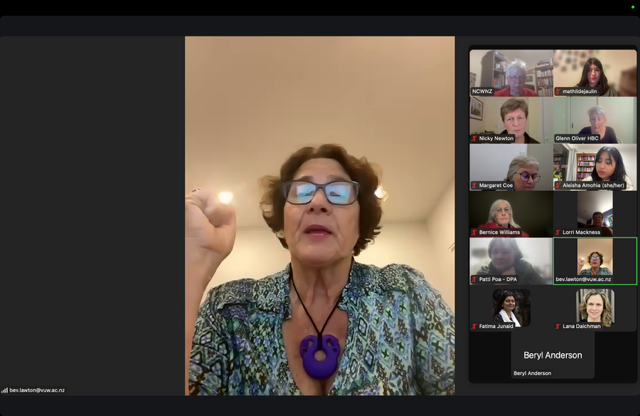
 The NCWNZ Safety, Health and Wellbeing Action Hub met on 28 May with guest speaker Professor Bev Lawton ONZM, nō Ngāti Porou, who is the founder/director of Te Tātai Hauora o Hine (the National Centre for Women’s Health Research Aotearoa) at Victoria University of Wellington She presented on "What's needed for women's health in Aotearoa NZ?"
Prof. Lawton discussed the importance of targeted health initiatives, the impact of self-testing for cervical cancer, and the broader challenges and opportunities in women's health advocacy. Prof. Lawton discussed the issues, challenges, and support needed for women's health, emphasizing the importance of implementing a cervical cancer elimination strategy. It's vital to have a screening programme, and as a scientist, it's exciting to think we can eradicate this devastating cancer, which affects women at an average age of 41, the virus can cause anal cancer, which is not widely discussed. Cervical cancer elimination is achievable if they listen to the science. WHO called for a strategy 9-10 years ago, and many countries have it. We can tweak and adopt the Australian model. Treating HPV effectively is crucial, and the evidence supports this approach.
Prof. Lawton stressed on the importance of advocacy; self-testing has emerged after years of advocacy, empowering women. Most women agree they want it. If it were about prostate cancer, how long would that have taken? She mentioned the need to build momentum to support the elimination plan for cervical cancer, which we currently don't have. With the roll out of the self-testing the evidence is strong showing that more than 80% of women are self-testing, and the uptake is progressing well. No other countries have done this, and not all have a self-testing programme. She stated that, “Our vaccination rate is low, the uptake of vaccination has not been as successful, therefore we also need to focus on vaccination.”
In relation to the success and uptake of the self-testing, Prof. Lawton pointed that there are challenges, such as having a trusted provider and engaging the community. She gave examples of how the self-testing being non-invasive was appreciated by women, communities, so much so that nurses got carried away, flipping the narrative, from invasive to empowering. Young people didn't want to participate, in the screening processes, but with self-testing, the screening was not invasive, and the community loved it, promoting it on social media. Communities need their own champions, who may be men or women, who can suggest ways to get it accepted. Women generally adopt what's good for them.
When discussing the women's health strategy, there was scepticism about where it fits within the broader strategy. The recent budget has overlooked crucial areas such as age care, housing for aging people, women's health issues, and care services. Significant gaps remain, particularly concerning the needs of aging women. The budget didn't allocate much for women and older women. For older women's health, it's essential to ask older women about their priorities, focusing on quality of life, including brain health, hearing, sight, mobility, housing, and heating. Older women with disabilities live longer than men. Every so often we hear that ‘Women anyway live longer than men… (implying that then there is not a need to focus on it)’, so we discuss it from a strength perspective. So, you try to cross the barrier and focus on solutions.
 From a public health perspective, she pointed out that getting the evidence is important: “We try to get evidence and that then helps in making policy.” Maternity and child health, STDs, and child health should be paired with public health. Accountability and targets are essential, with KPIs set and investments made accordingly. For instance, maternal and child health investments should happen independently of the government. Babies are born with syphilis, and uterine cancer is rising -- we can stop these, but we need to prioritise these initiatives. Additionally, removing sexual health education, consent, and safe boundaries will impact health and other related outcomes.
When asked about how far disability is featured in research, Prof Lawton mentioned that they have qualitative research, such as nurses assisting with self-testing for people with disabilities, and obese women, but more can be done. For instance, her team doesn’t have a researcher focusing on the disability community; and she acknowledged if it's hard for women, it's harder for disabled women, and that more needs to be done.
Advocacy from women's groups is highly valued, especially on the cervical cancer strategy, and more broadly for aging women, women health and disabilities. She concluded that initiatives such as self-testing empower women, addressing the unique needs of older women, and ensuring inclusive research and advocacy are crucial steps forward. By listening to the voices of women and leveraging scientific evidence, we can make meaningful strides in women's health and well-being.
By
Fatima Junaid
Many of you will have been involved in the process for CEDAW, including contributing to the NGO submission and alternate reports. But the Convention on the Elimination of All Forms of Discrimination against Women (CEDAW) is not the only international treaty that recognises rights for women. Over the next year, the International Action Hub will be writing a series of articles for the Circular on how other treaties impact on women and girls. So watch this space!
The International Action Hub organised a panel of international experts to talk on the effects of climate change specifically on women. (See the backgrounds of the panelists in the past Circular article here.) This event took place on May 7th online and in person (in Wellington) - you can watch the video on the NCWNZ YouTube channel here: https://www.youtube.com/watch?v=hjAPKlccQhE
Resources to share in meetings and with your networks
Thinking about what your group will be doing to celebrate Suffrage Day this year? How about hosting a challenge to create a cartoon or short video that encourages young women to participate in politics? Talk with your group about the way that newspaper cartoons over time portrayed women's right to vote - were they depicting what might really happen to women who went into the public sphere to vote or to participate in political debates? Here's a story "Cartooning the Woman's Vote," Digital NZ to get the discussion going:
https://digitalnz.org/stories/503a95de12575773920019ac

Te Kāhui Tika Tangata Human Rights Commission compiled some resources to help you learn more about the experiences of former and current refugees here in Aotearoa New Zealand, and the unique and significant contributions they make to society. See the videos, articles, podcasts and books by former refugees in Aotearoa at:
https://tikatangata.org.nz/news/celebrating-refugee-week-read-watch-listen
Karen Chhour, Minister for the Prevention of Family Violence and Sexual Violence, has dis-established Te Pūkotahitanga, a critical Māori voice at the national decision-making table regarding national violence elimination. See their response here on LinkedIn:
https://www.linkedin.com/posts/te-p%C5%ABkotahitanga-tangata-whenua-ministerial-advisory-group_te-p%C5%ABkotahitanga-reasserts-tangata-whenua-activity-7345240851372982276-h0Yg/
Readings to consider
Lianne Dalziel CNZM, a former MP and former mayor of Christchurch, wrote a powerful op-ed published in Newsroom (14 May 2025). She explained why she joined the People's Select Committee on Pay Equity and stated, "There are legitimate questions to ask and debate in the context of legislative reform. But ramming through a retrospective repeal without any warning is simply unacceptable.” Read her statement here:
https://newsroom.co.nz/2025/05/14/ramming-through-retrospective-repeal-of-pay-equity-is-unacceptable/

Published by the Canadian Women’s Foundation, the Challenging Gendered Digital Harm report investigates how women and gender-diverse people in Canada—particularly those from underserved communities—experience digital harm. It explores public perceptions, identifies gaps in support for survivors and organizations, and offers strategies to foster safer online environments. The research highlights digital harm as a pervasive and urgent issue, underscoring the need for coordinated action to ensure inclusive, equitable, and empowering digital spaces. Download the report here:
Cochrane, Alexis-Carlota and Mansell, Rachel, Challenging Gendered Digital Harm: Research Report on Impacts and Solutions to Digital Harm Facing Women, Gender-Diverse People, and Gender Equality Organizations (February 01, 2025). Available at SSRN: https://ssrn.com/abstract=5297522
Stories to celebrate
from NZ Herald (27 June 2025): A new award, the Access Minerals Limited Extractives Trailblazer, went to Kirsty Hollis, principal metallurgist with OceanaGold Corporation, based in Waihī. Hollis has spent more than 35 years in the mining industry and in that time has knocked off a number of “firsts”, including being the first woman to graduate with a Bachelor of Mineral Processing degree from Auckland University in 1988 (she also holds an MBA from Deakin University); first female metallurgist hired at what is now OceanaGold’s Macraes Operation; and first female process manager at Waihī Gold. “When she started in the late 1980s, it was illegal for women to work in underground mining in New Zealand,” an awards spokesperson said.

From June 15-21, National Volunteer Week celebrates the millions of people across Aotearoa New Zealand who dedicate their time to support others. This year’s theme Whiria te tangata – weaving the people together – captures the way volunteering strengthens the fabric of our community, weaving a stronger, more inclusive Aotearoa. "The Big Shout Out" campaign continues through June 30th. Read more at https://www.volunteeringnz.org.nz/campaigns/the-big-shout-out.
Alison McIntyre, Director Community Engagement & Learning, Archives New Zealand Te Rua Mahara o te Kawanatanga, National Library of New Zealand Te Puna Mātauranga o Aotearoa wrote to NCWNZ Office to say that the He Tohu exhibition has been reinstated and will be open to the public on 8 July. She writes, "We mihi to you for your ongoing involvement in this kaupapa."
The artwork of Tessa Harris (Ngāi Tai ki Tāmaki) is featured at the top of the light trail in Auckland to celebrate Matariki this year. Read about it here:
https://www.rnz.co.nz/news/national/564739/light-trail-to-celebrate-matariki-goes-on-display
Dates to note for July and August 2025
6 July - World Rural Development Day; also, note that the UN has declared 2026 as the International Year of the Woman Farmer
11 July - World Population Day "a moment to ask who is still going uncounted and why"
12 July - International Day of Hope
25 July - International Day of Women and Girls of African Descent
30 July - World Day Against Trafficking in Persons
1-7 August - World Breastfeeding Week
9 August - International Day of the World's Indigenous Peoples
12 August - International Youth Day
23 August - International Day for the Remembrance of the Slave Trade and Its Abolition
29 August - International Day against Nuclear Tests
30 August - International Day of the Victims of Enforced Disappearances
Quotation to ponder
"There will be much written and spoken about our new MMP structure. Words of wisdom and words of nonsense will be spoken. But one outcome is certain - a record number of women will be in Parliament after this election."
Prime Minister Jim Bolger's speech
at NCWNZ conference celebrating its100th Anniversary,
19 September 1996
Whakataukī to share
He kai kei aku ringa.
Provide the food you need from your own hands.
This saying reflects a broad understanding of kai (food) and Māori kai systems. It encourages us to use our basic abilities and actively connect with resources across our communities to create success.
-=-=--=-=-
The Circular is the official newsletter of The National Council of Women of New Zealand. Archived copies are available at the National Library of New Zealand (ISSN 2815-8644).
Do you have some news to share? Please send an email to the newsletter managing editor, Randolph Hollingsworth, at [email protected].